For Standardizing Sweetness
What is For Standardizing Sweetness?
Erythritol is a sugar alcohol that occurs naturally in some fruits and fermented foods. It is produced commercially through the fermentation of glucose by yeast. Erythritol is about 70% as sweet as table sugar but has very few calories.
Is For Standardizing Sweetness vegan?
For Standardizing Sweetness is not animal-derived. Products that contain it can still include other animal-derived ingredients, so check the full ingredient list.
Is For Standardizing Sweetness gluten-free?
It does not contain gluten.
Is For Standardizing Sweetness a major allergen?
Erythritol is not derived from any of the nine FDA major allergens.
What is For Standardizing Sweetness used for?
Erythritol is used as a low-calorie sweetener to reduce the sugar and calorie content of foods and beverages.
Is For Standardizing Sweetness safe?
Erythritol is generally recognized as safe (GRAS) by the FDA for use as a food additive.
Why it's used
Erythritol is used as a low-calorie sweetener to reduce the sugar and calorie content of foods and beverages. It is often found in sugar-free or reduced-sugar products like baked goods, chewing gum, candies, and beverages.
Health notes
Erythritol is generally recognized as safe (GRAS) by the FDA for use as a food additive. Studies suggest it is well-tolerated at typical consumption levels, with most of it being absorbed and excreted unchanged in urine. Some research has explored potential cardiovascular effects, but more studies are needed to understand these implications fully. International bodies like JECFA and EFSA have evaluated erythritol.
Allergen info
Erythritol is not derived from any of the nine FDA major allergens. It does not contain gluten.
Foods that contain For Standardizing Sweetness
Compare products →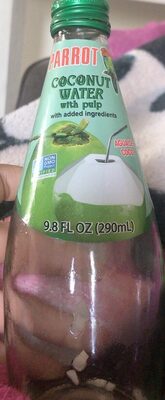
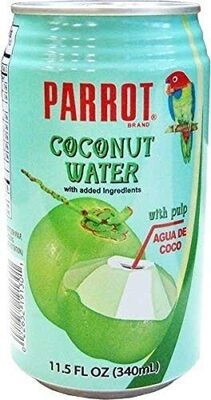
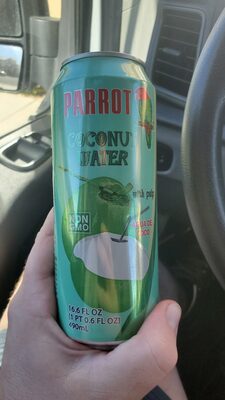
Learn more
Auto-generated content. This description was generated automatically and is pending editorial review. Inaccuracies are possible. Found a mistake? Contact us.