Fortification
What is Fortification?
Fortification refers to the addition of vitamins and minerals to food products. This is often done to increase the nutritional value of a food, especially if some nutrients are lost during processing or if the food is typically consumed by a population with specific nutritional needs. Common examples include adding Vitamin D to milk or iron to breakfast cereals.
Is Fortification a major allergen?
Not a major allergen.
What is Fortification used for?
Manufacturers add vitamins and minerals to foods to improve their nutritional profile and public health.
Is Fortification safe?
Vitamins and minerals added to foods are regulated by the FDA.
Why it's used
Manufacturers add vitamins and minerals to foods to improve their nutritional profile and public health. This can help consumers meet their daily recommended intake of essential nutrients. Fortification is common in staple foods like dairy products, cereals, and bread.
Health notes
Vitamins and minerals added to foods are regulated by the FDA. The National Academies of Sciences, Engineering, and Medicine set Tolerable Upper Intake Levels (ULs) for many vitamins and minerals. These are the highest level of daily nutrient intake that is likely to pose no risk of adverse health effects for almost all individuals in the general population. Consuming nutrients within recommended amounts is generally considered safe and beneficial. JECFA and EFSA have also evaluated many vitamins and minerals.
Allergen info
Not a major allergen.
Foods that contain Fortification
Compare products →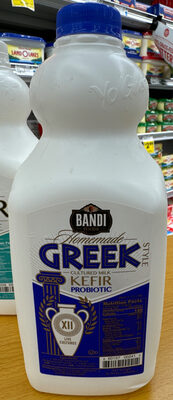 B&I Overseas Trading Inc
Greek Style Probiotic Kefir Cultured Milk
High in saturated fat — 25% DV per serving
62kcal
3.8Protein
3.3Fat
4.6Carbs
Lobster Potners Ii
Cultured Milk, Natural
High in saturated fat — 20% DV per serving
68kcal
3.9Protein
3.4Fat
4.8Carbs
BJ's Wholesale Club / Corporate Brands
Swiss Granola With Almonds, Hazelnuts & Strawberries, Swiss
460kcal
8Protein
22Fat
60Carbs
B&I Overseas Trading Inc
Greek Style Probiotic Kefir Cultured Milk
High in saturated fat — 25% DV per serving
62kcal
3.8Protein
3.3Fat
4.6Carbs
Lobster Potners Ii
Cultured Milk, Natural
High in saturated fat — 20% DV per serving
68kcal
3.9Protein
3.4Fat
4.8Carbs
BJ's Wholesale Club / Corporate Brands
Swiss Granola With Almonds, Hazelnuts & Strawberries, Swiss
460kcal
8Protein
22Fat
60Carbs
Learn more
Auto-generated content. This description was generated automatically and is pending editorial review. Inaccuracies are possible. Found a mistake? Contact us.