Fried-out Pork Fat With Attached Skins
What is Fried-out Pork Fat With Attached Skins?
Fried-out pork fat with attached skins, also known as pork rinds or chicharrones, is made by rendering the fat from pork skin and then frying the skin until it is crispy. The process involves removing most of the fat and moisture, leaving a crunchy product.
Is Fried-out Pork Fat With Attached Skins vegan?
No. Fried-out Pork Fat With Attached Skins is animal-derived, so it is not vegan.
Is Fried-out Pork Fat With Attached Skins gluten-free?
It is also gluten-free.
Is Fried-out Pork Fat With Attached Skins a major allergen?
Not a major allergen.
What is Fried-out Pork Fat With Attached Skins used for?
This ingredient is primarily used to add a savory flavor and a crunchy texture to snack foods.
Is Fried-out Pork Fat With Attached Skins safe?
Fried-out pork fat with attached skins is generally recognized as safe (GRAS) by the FDA for use in food.
Why it's used
This ingredient is primarily used to add a savory flavor and a crunchy texture to snack foods. It is most commonly found in products like pork cracklings and chicharrones, often seasoned with various spices.
Health notes
Fried-out pork fat with attached skins is generally recognized as safe (GRAS) by the FDA for use in food. It is a source of protein and fat. Regulatory bodies like JECFA and EFSA have evaluated similar food ingredients. While generally considered safe in moderation as part of a balanced diet, like other high-fat, high-sodium snacks, excessive consumption may be associated with health concerns.
Allergen info
Not a major allergen. It does not contain milk, egg, fish, shellfish, tree nuts, peanuts, wheat, soy, or sesame. It is also gluten-free.
Foods that contain Fried-out Pork Fat With Attached Skins
Compare products →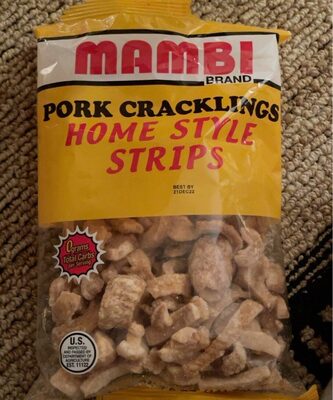 Mesa Meat Processors Corp.
Pork Cracklings Home Style Strips
571kcal
57.1Protein
35.7Fat
0Carbs
Mesa Meat Processors Corp.
Pork Cracklings Home Style Strips
571kcal
57.1Protein
35.7Fat
0Carbs
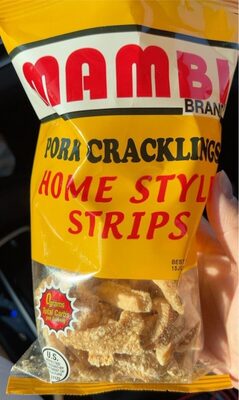 Mesa Meat Processors Corp.
Home Style Strips Pork Crackilings
571kcal
57.1Protein
35.7Fat
0Carbs
Mesa Meat Processors Corp.
Home Style Strips Pork Crackilings
571kcal
57.1Protein
35.7Fat
0Carbs
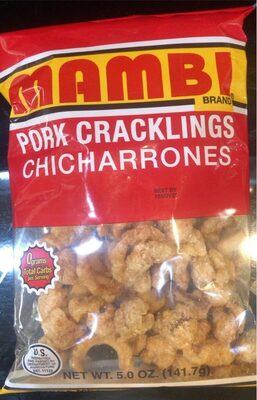 Mesa Meat Processors Corp.
Chicharrones Pork Cracklings, Chicharrones
571kcal
57.1Protein
35.7Fat
0Carbs
Mesa Meat Processors Corp.
Pork Cracklings Chicharrones
571kcal
57.1Protein
35.7Fat
0Carbs
Mesa Meat Processors Corp.
Pork Cracklings Chicharrones
571kcal
57.1Protein
35.7Fat
0Carbs
Mesa Meat Processors Corp.
Chicharrones Pork Cracklings, Chicharrones
571kcal
57.1Protein
35.7Fat
0Carbs
Mesa Meat Processors Corp.
Pork Cracklings Chicharrones
571kcal
57.1Protein
35.7Fat
0Carbs
Mesa Meat Processors Corp.
Pork Cracklings Chicharrones
571kcal
57.1Protein
35.7Fat
0Carbs
Learn more
Auto-generated content. This description was generated automatically and is pending editorial review. Inaccuracies are possible. Found a mistake? Contact us.