Fructooligosaccharides
What is Fructooligosaccharides?
Fructooligosaccharides (FOS) are short chains of sugar molecules. They are naturally found in many fruits and vegetables, such as bananas, onions, and garlic. FOS are typically produced commercially by using enzymes to convert sugars from sources like sucrose or corn starch.
Is Fructooligosaccharides vegan?
Fructooligosaccharides is not animal-derived. Products that contain it can still include other animal-derived ingredients, so check the full ingredient list.
Is Fructooligosaccharides gluten-free?
They do not contain gluten.
Is Fructooligosaccharides a major allergen?
Fructooligosaccharides are not derived from any of the nine FDA major allergens.
What is Fructooligosaccharides used for?
FOS are used as a low-calorie sweetener and a prebiotic fiber.
Is Fructooligosaccharides safe?
FOS are generally recognized as safe (GRAS) by the FDA for use in foods.
Why it's used
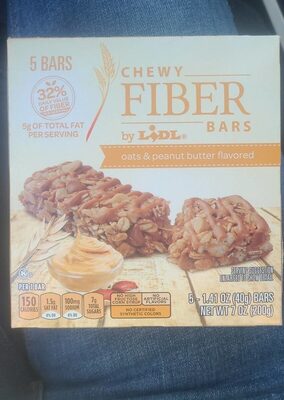
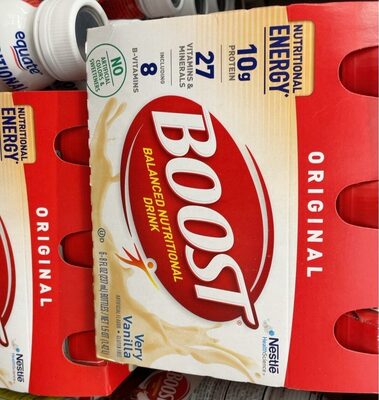
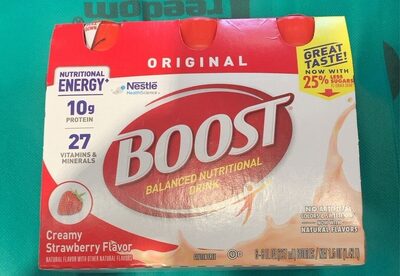
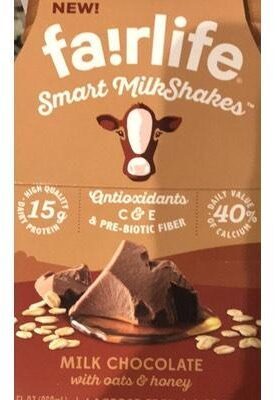
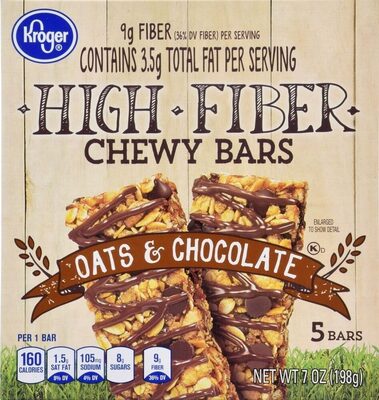
FOS are used as a low-calorie sweetener and a prebiotic fiber. They add sweetness to foods and drinks without contributing many calories. They are often found in snack bars, beverages, yogurt, and baked goods.
Health notes
FOS are generally recognized as safe (GRAS) by the FDA for use in foods. They are considered a prebiotic fiber, meaning they can promote the growth of beneficial bacteria in the gut. Some studies suggest FOS may help improve mineral absorption and support digestive health. JECFA has evaluated FOS and established specifications for their use. Evidence regarding specific health benefits is ongoing.
Allergen info
Fructooligosaccharides are not derived from any of the nine FDA major allergens. They do not contain gluten.
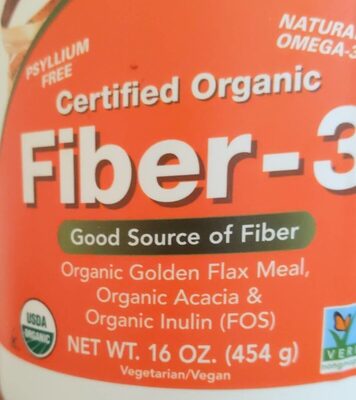
Foods that contain Fructooligosaccharides
Compare products →













Learn more
Auto-generated content. This description was generated automatically and is pending editorial review. Inaccuracies are possible. Found a mistake? Contact us.