Fully Cooked Uncured Bacon Bits
What is Fully Cooked Uncured Bacon Bits?
These are small pieces of bacon that have been cooked and cured without the use of synthetic nitrates or nitrites. They are typically made from pork belly, which is seasoned and then smoked or baked until fully cooked.
Is Fully Cooked Uncured Bacon Bits vegan?
No. Fully Cooked Uncured Bacon Bits is animal-derived, so it is not vegan.
Is Fully Cooked Uncured Bacon Bits gluten-free?
They do not contain gluten.
Is Fully Cooked Uncured Bacon Bits a major allergen?
Bacon bits are not derived from any of the 9 FDA major allergens.
What is Fully Cooked Uncured Bacon Bits used for?
Manufacturers add bacon bits to foods to provide a smoky, salty flavor and a crispy texture.
Is Fully Cooked Uncured Bacon Bits safe?
Bacon bits are generally recognized as safe (GRAS) by the FDA when used as a food ingredient.
Why it's used
Manufacturers add bacon bits to foods to provide a smoky, salty flavor and a crispy texture. They are often found in salads, soups, casseroles, and as a topping for baked potatoes or other savory dishes.
Health notes
Bacon bits are generally recognized as safe (GRAS) by the FDA when used as a food ingredient. They are a source of protein and fat. While cured meats have been linked to health concerns, the 'uncured' label typically means natural curing agents like celery powder were used instead of synthetic ones. The FDA monitors food ingredients for safety, and JECFA and EFSA have evaluated many food additives, but specific evaluations for bacon bits as a whole are not typically published.
Allergen info
Bacon bits are not derived from any of the 9 FDA major allergens. They do not contain gluten.
Foods that contain Fully Cooked Uncured Bacon Bits
Compare products →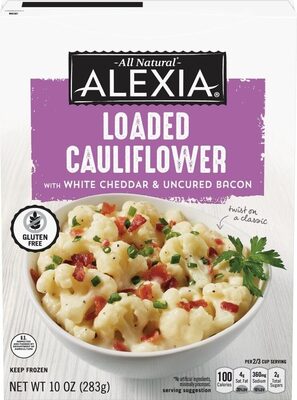 Conagra Brands, Inc
Alexia Loaded Cauliflower with White Cheddar and Bacon, Frozen Cauliflower Side, 10 oz.
80kcal
4.4Protein
5.3Fat
3.5Carbs
Renaissance Food Group, LLC
Mediterranean Pinwheel W/Side Salad & Red Balsamic With Uncured Bacon
High in sodium — 29% DV per serving
High in saturated fat — 45% DV per serving
High in cholesterol — 22% DV per serving
205kcal
6.0Protein
13.9Fat
13.9Carbs
Renaissance Food Group, LLC
Spinach Salad With Bacon, Egg, & Pepitas
High in sodium — 31% DV per serving
High in saturated fat — 35% DV per serving
High in cholesterol — 69% DV per serving
179kcal
7.7Protein
14.1Fat
5.1Carbs
Conagra Brands, Inc
Alexia Brussels Sprouts & Uncured Bacon, 10 OZ
90kcal
5.3Protein
4.5Fat
6.8Carbs
Conagra Brands, Inc
Alexia Loaded Cauliflower with White Cheddar and Bacon, Frozen Cauliflower Side, 10 oz.
80kcal
4.4Protein
5.3Fat
3.5Carbs
Renaissance Food Group, LLC
Mediterranean Pinwheel W/Side Salad & Red Balsamic With Uncured Bacon
High in sodium — 29% DV per serving
High in saturated fat — 45% DV per serving
High in cholesterol — 22% DV per serving
205kcal
6.0Protein
13.9Fat
13.9Carbs
Renaissance Food Group, LLC
Spinach Salad With Bacon, Egg, & Pepitas
High in sodium — 31% DV per serving
High in saturated fat — 35% DV per serving
High in cholesterol — 69% DV per serving
179kcal
7.7Protein
14.1Fat
5.1Carbs
Conagra Brands, Inc
Alexia Brussels Sprouts & Uncured Bacon, 10 OZ
90kcal
5.3Protein
4.5Fat
6.8Carbs
Learn more
Auto-generated content. This description was generated automatically and is pending editorial review. Inaccuracies are possible. Found a mistake? Contact us.