Gelling Agent: Carrageenan
What is Gelling Agent: Carrageenan?
Carrageenan is a common food additive derived from red seaweed. It is extracted from the seaweed using an alkali process and then dried and ground into a powder. It is used to thicken, stabilize, and gel foods.
Is Gelling Agent: Carrageenan vegan?
Gelling Agent: Carrageenan is not animal-derived. Products that contain it can still include other animal-derived ingredients, so check the full ingredient list.
Is Gelling Agent: Carrageenan gluten-free?
Carrageenan is not derived from any of the 9 major allergens and does not contain gluten.
What is Gelling Agent: Carrageenan used for?
Manufacturers add carrageenan to foods to improve texture and consistency.
Is Gelling Agent: Carrageenan safe?
Carrageenan is generally recognized as safe (GRAS) by the FDA for use in food.
Why it's used
Manufacturers add carrageenan to foods to improve texture and consistency. It acts as a gelling agent, thickener, and stabilizer. It is commonly found in dairy products like ice cream and yogurt, as well as in processed meats, desserts, and beverages.
Health notes
Carrageenan is generally recognized as safe (GRAS) by the FDA for use in food. It has been evaluated by regulatory bodies like EFSA, which has established an acceptable daily intake. Some studies have raised concerns about potential digestive issues or inflammation, but research is ongoing and evidence is mixed. The FDA continues to permit its use in food.
Allergen info
Carrageenan is not derived from any of the 9 major allergens and does not contain gluten. It is considered safe for individuals with food allergies.
Foods that contain Gelling Agent: Carrageenan
Compare products →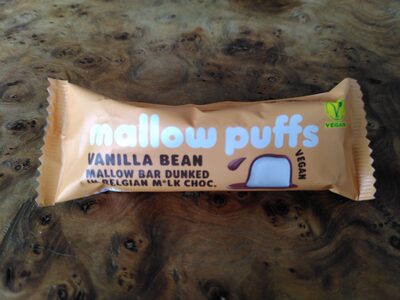 MALLOW PUFFS
Vanilla Bean Mallow Bar Dunked In Belgian M*Lk Choc., Vanilla Bean
High in saturated fat — 40% DV per serving
1716kcal
1.4Protein
14Fat
68Carbs
MALLOW PUFFS
Salted Caramel Mallow Bar Dunked In Belgian Dark Choc., Salted Caramel
High in saturated fat — 40% DV per serving
412kcal
2.7Protein
14Fat
68Carbs
Larry Reid Collier (Self Publisher)
Tangy Fruit Salad
346kcal
0Protein
0Fat
85.7Carbs
MALLOW PUFFS
Vanilla Bean Mallow Bar Dunked In Belgian M*Lk Choc., Vanilla Bean
High in saturated fat — 40% DV per serving
1716kcal
1.4Protein
14Fat
68Carbs
MALLOW PUFFS
Salted Caramel Mallow Bar Dunked In Belgian Dark Choc., Salted Caramel
High in saturated fat — 40% DV per serving
412kcal
2.7Protein
14Fat
68Carbs
Larry Reid Collier (Self Publisher)
Tangy Fruit Salad
346kcal
0Protein
0Fat
85.7Carbs
Learn more
Auto-generated content. This description was generated automatically and is pending editorial review. Inaccuracies are possible. Found a mistake? Contact us.