Giant Corn
What is Giant Corn?
Giant corn, also known as cancha or cancha serrana, is a variety of large-kerneled corn native to the Andes region of South America. The kernels are typically toasted or fried until they puff up and become crunchy, similar to popcorn but with a denser texture and larger size.
Is Giant Corn vegan?
Giant Corn is not animal-derived. Products that contain it can still include other animal-derived ingredients, so check the full ingredient list.
Is Giant Corn gluten-free?
It does not contain gluten.
Is Giant Corn a major allergen?
Giant corn is not derived from any of the nine FDA major allergens.
What is Giant Corn used for?
Giant corn is often eaten as a crunchy snack on its own, seasoned with salt or spices.
Is Giant Corn safe?
Giant corn is generally recognized as safe (GRAS) by the FDA for use in food.
Why it's used
Giant corn is often eaten as a crunchy snack on its own, seasoned with salt or spices. It is also used as a topping for salads, soups, and other dishes to add texture. Manufacturers include it in snack mixes and trail mixes for its satisfying crunch and savory flavor.
Health notes
Giant corn is generally recognized as safe (GRAS) by the FDA for use in food. It is a source of carbohydrates and dietary fiber. Like other whole grains, it can be part of a healthy diet. Regulatory bodies like EFSA have not specifically evaluated giant corn as a distinct food ingredient, but corn itself is widely consumed and studied.
Allergen info
Giant corn is not derived from any of the nine FDA major allergens. It does not contain gluten.
Foods that contain Giant Corn
Compare products →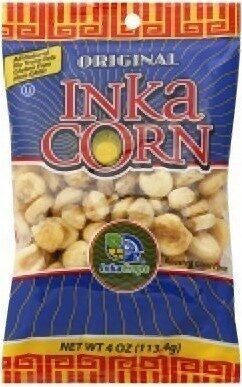
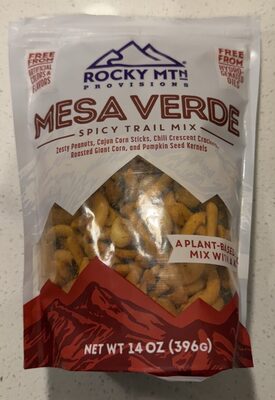
Learn more
Auto-generated content. This description was generated automatically and is pending editorial review. Inaccuracies are possible. Found a mistake? Contact us.