Glucose Polymers
What is Glucose Polymers?
Glucose polymers are carbohydrates made of long chains of glucose (sugar) molecules. They are typically derived from starches, such as corn or wheat, through a process called hydrolysis. This process breaks down the starch into shorter chains of glucose.
Is Glucose Polymers vegan?
Glucose Polymers is not animal-derived. Products that contain it can still include other animal-derived ingredients, so check the full ingredient list.
Is Glucose Polymers gluten-free?
If derived from wheat, it may not be gluten-free, depending on the processing.
Is Glucose Polymers a major allergen?
Not a major allergen.
What is Glucose Polymers used for?
Manufacturers use glucose polymers as a source of carbohydrates for energy.
Is Glucose Polymers safe?
Glucose polymers are generally recognized as safe (GRAS) by the FDA when used as a food ingredient.
Why it's used
Manufacturers use glucose polymers as a source of carbohydrates for energy. They provide a sustained release of energy, making them popular in sports drinks, energy bars, and gels. They can also be used as a sweetener and to improve the texture and mouthfeel of foods.
Health notes
Glucose polymers are generally recognized as safe (GRAS) by the FDA when used as a food ingredient. They are a source of energy and are metabolized similarly to other carbohydrates. JECFA and EFSA have evaluated glucose polymers and found them to be safe for consumption. Evidence does not suggest adverse health effects at typical intake levels.
Allergen info
Not a major allergen. If derived from wheat, it may not be gluten-free, depending on the processing.
Foods that contain Glucose Polymers
Compare products →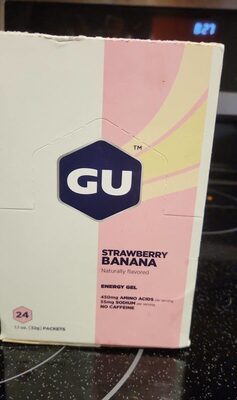 Advanced Food Concepts Inc.
Strawberry Banana Energy Gel, Strawberry Banana
312kcal
0Protein
0Fat
78.1Carbs
Advanced Food Concepts Inc.
Strawberry Banana Energy Gel, Strawberry Banana
312kcal
0Protein
0Fat
78.1Carbs
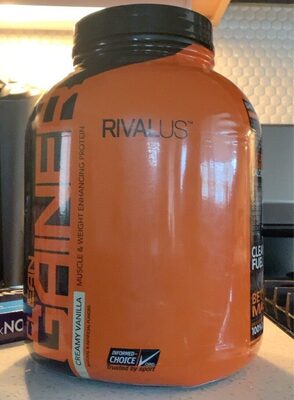 Energetic By Bag
Creamy Vanilla Clean Gainer Muscle & Weight Enhancing Protein Powder, Creamy Vanilla
High in cholesterol — 25% DV per serving
431kcal
23.1Protein
5.4Fat
69.2Carbs
Energetic By Bag
Creamy Vanilla Clean Gainer Muscle & Weight Enhancing Protein Powder, Creamy Vanilla
High in cholesterol — 25% DV per serving
431kcal
23.1Protein
5.4Fat
69.2Carbs
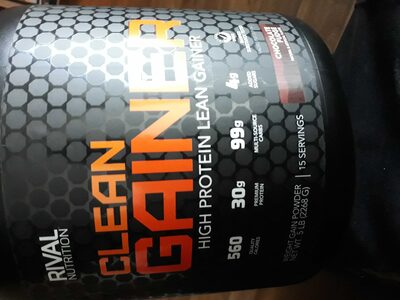 Energetic By Bag
Chocolate Fudge Clean Gainer Muscle & Weight Enhancing Protein Powder, Chocolate Fudge
High in cholesterol — 25% DV per serving
412kcal
22.1Protein
5.2Fat
66.2Carbs
Energetic By Bag
Chocolate Fudge Clean Gainer Muscle & Weight Enhancing Protein Powder, Chocolate Fudge
High in cholesterol — 25% DV per serving
412kcal
22.1Protein
5.2Fat
66.2Carbs
Auto-generated content. This description was generated automatically and is pending editorial review. Inaccuracies are possible. Found a mistake? Contact us.