Bcaas
What is Bcaas?
BCAAs, or branched-chain amino acids, are a group of three essential amino acids: leucine, isoleucine, and valine. They are naturally found in protein-rich foods like meat, dairy, and legumes. They can also be produced industrially through fermentation processes using microorganisms.
Is Bcaas gluten-free?
They do not contain gluten.
Is Bcaas a major allergen?
BCAAs are not derived from any of the 9 FDA major allergens.
What is Bcaas used for?
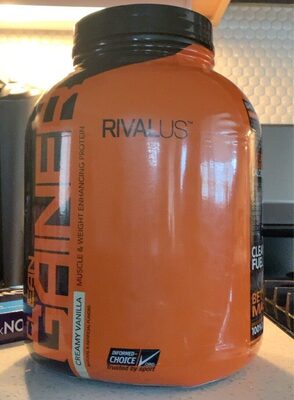
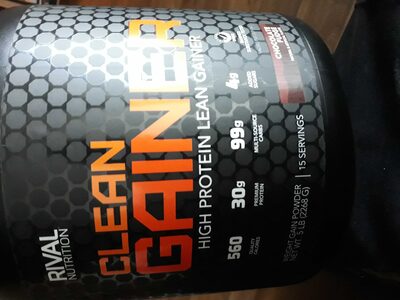
BCAAs are often added to foods and beverages marketed for sports nutrition, such as protein powders, energy drinks, and recovery supplements.
Is Bcaas safe?
BCAAs are generally recognized as safe (GRAS) by the FDA when used as a dietary supplement.
Why it's used
BCAAs are often added to foods and beverages marketed for sports nutrition, such as protein powders, energy drinks, and recovery supplements. They are included to support muscle growth, reduce exercise-induced fatigue, and aid in muscle repair. They are typically found in powdered or liquid forms.
Health notes
BCAAs are generally recognized as safe (GRAS) by the FDA when used as a dietary supplement. Studies suggest that BCAAs may help reduce muscle soreness and fatigue after exercise. However, research on their impact on muscle growth is mixed, with some studies showing benefits and others showing no significant effect. JECFA has evaluated BCAAs and established acceptable daily intakes. There is ongoing research into optimal dosages and potential long-term effects.
Allergen info
BCAAs are not derived from any of the 9 FDA major allergens. They do not contain gluten.
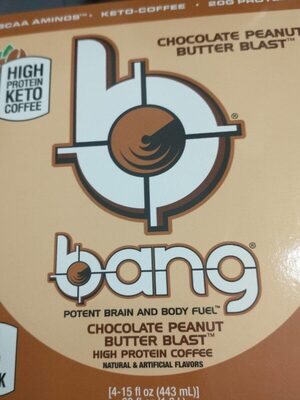
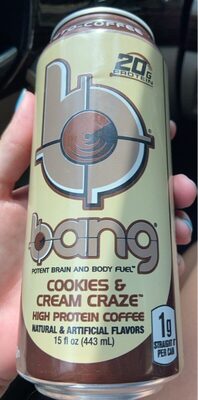
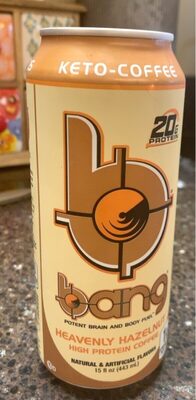
Foods that contain Bcaas
Compare products →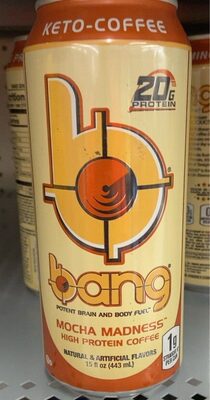
Learn more
Auto-generated content. This description was generated automatically and is pending editorial review. Inaccuracies are possible. Found a mistake? Contact us.