L-leucine
What is L-leucine?
L-leucine is an essential amino acid, meaning the body cannot make it and must get it from food. It is one of the building blocks of protein. L-leucine can be produced through fermentation using microorganisms or derived from protein-rich food sources like soy or animal products.
Is L-leucine gluten-free?
It does not contain gluten.
Is L-leucine a major allergen?
L-leucine is not derived from any of the 9 major allergens.
What is L-leucine used for?
L-leucine is often added to foods as a nutrient, specifically to boost protein content.
Is L-leucine safe?
In the US, L-leucine is generally recognized as safe (GRAS) by the FDA when used as a nutrient.
Why it's used
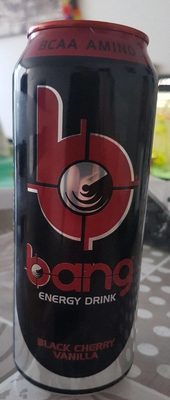
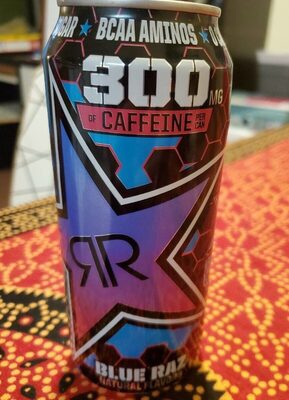
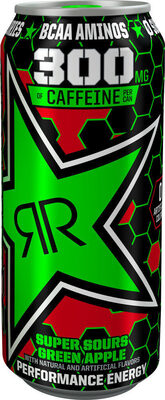
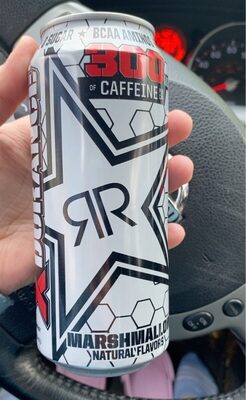
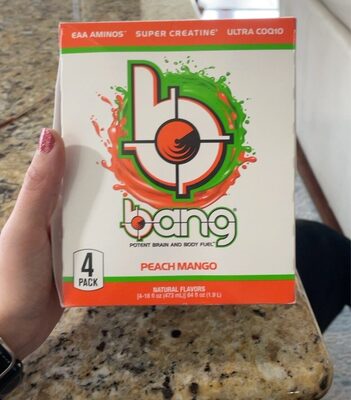
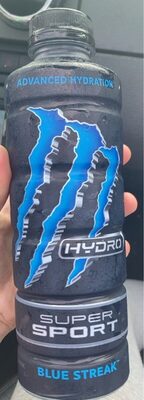
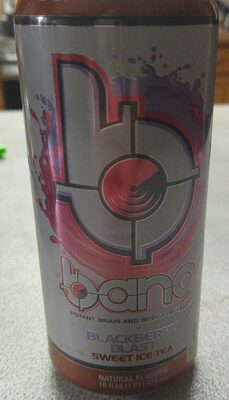
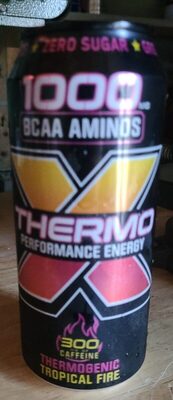
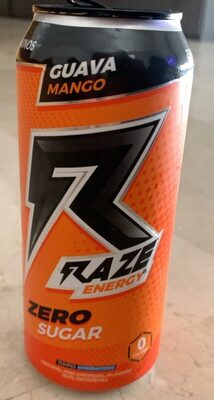
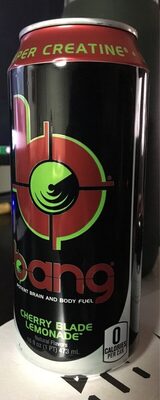
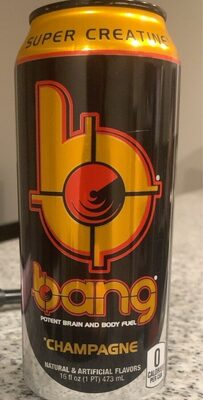
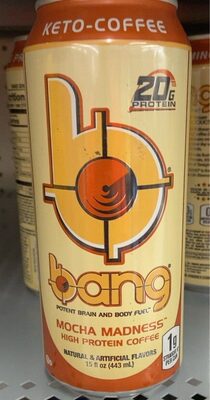
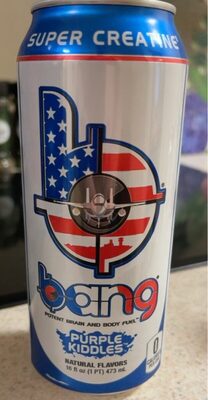
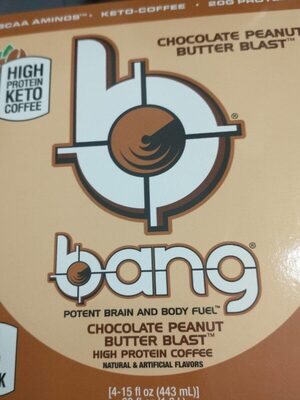
L-leucine is often added to foods as a nutrient, specifically to boost protein content. It is commonly found in sports nutrition products like protein powders, energy drinks, and recovery beverages. It may also be used in some processed foods to improve their nutritional profile.
Health notes
In the US, L-leucine is generally recognized as safe (GRAS) by the FDA when used as a nutrient. It plays a role in muscle protein synthesis and energy metabolism. International bodies like JECFA have evaluated amino acids, and EFSA has also reviewed their use. Evidence does not suggest adverse health effects from typical dietary intakes of L-leucine.
Allergen info
L-leucine is not derived from any of the 9 major allergens. It does not contain gluten.
Foods that contain L-leucine
Compare products →


Learn more
Auto-generated content. This description was generated automatically and is pending editorial review. Inaccuracies are possible. Found a mistake? Contact us.