Grain Vinegar Citric Acid
What is Grain Vinegar Citric Acid?
Grain vinegar is made by fermenting a grain, such as corn or barley, into alcohol and then into acetic acid. Citric acid is a weak organic acid that occurs naturally in citrus fruits like lemons and limes. It is often produced commercially through the fermentation of sugar by specific molds.
Is Grain Vinegar Citric Acid vegan?
Grain Vinegar Citric Acid is not animal-derived. Products that contain it can still include other animal-derived ingredients, so check the full ingredient list.
Is Grain Vinegar Citric Acid gluten-free?
Gluten is not present in citric acid.
Is Grain Vinegar Citric Acid a major allergen?
Grain vinegar is not a major allergen.
What is Grain Vinegar Citric Acid used for?
Grain vinegar is used to add a sour or tangy flavor to foods like pickles, sauces, and marinades.
Is Grain Vinegar Citric Acid safe?
Both grain vinegar and citric acid are generally recognized as safe (GRAS) by the FDA for use in food.
Why it's used
Grain vinegar is used to add a sour or tangy flavor to foods like pickles, sauces, and marinades. Citric acid is used as a flavor enhancer to provide tartness, as a preservative to extend shelf life, and as an acidity regulator in beverages, candies, and baked goods.
Health notes
Both grain vinegar and citric acid are generally recognized as safe (GRAS) by the FDA for use in food. Citric acid is a common component of human metabolism. Regulatory bodies like JECFA and EFSA have evaluated citric acid and found it safe for consumption. No significant health concerns are associated with typical dietary intake of either ingredient.
Allergen info
Grain vinegar is not a major allergen. Citric acid is not a major allergen. Gluten is not present in citric acid. Depending on the grain used, grain vinegar may contain gluten.
Foods that contain Grain Vinegar Citric Acid
Compare products →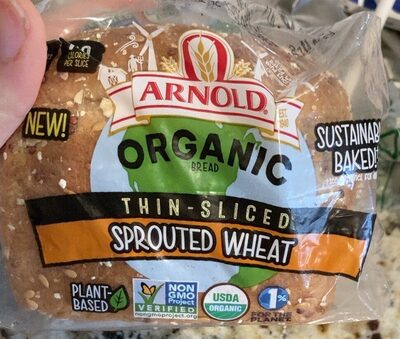 Bimbo Bakeries USA, Inc.
Sprouted Wheat Organic Thin-Sliced Bread, Sprouted Wheat
259kcal
11.1Protein
3.7Fat
48.1Carbs
Bimbo Bakeries USA, Inc.
Sprouted Wheat Organic Thin-Sliced Bread, Sprouted Wheat
259kcal
11.1Protein
3.7Fat
48.1Carbs
 Bimbo Bakeries USA, Inc.
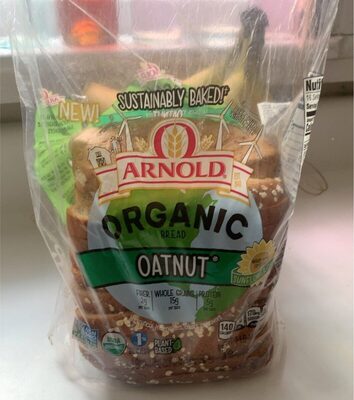
Oatnut Organic Bread, Oatnut
292kcal
10.4Protein
5.2Fat
52.1Carbs
Bimbo Bakeries USA, Inc.
Oatnut Organic Bread, Oatnut
292kcal
10.4Protein
5.2Fat
52.1Carbs
Bimbo Bakeries USA, Inc.
Oatnut Organic Bread, Oatnut
292kcal
10.4Protein
5.2Fat
52.1Carbs
Bimbo Bakeries USA, Inc.
Oatnut Organic Bread, Oatnut
292kcal
10.4Protein
5.2Fat
52.1Carbs
Auto-generated content. This description was generated automatically and is pending editorial review. Inaccuracies are possible. Found a mistake? Contact us.