Gravy
What is Gravy?
Gravy is a sauce, often served with meat dishes. It is typically made by thickening meat drippings, broth, or stock with a starch like flour or cornstarch. Other ingredients like herbs, spices, and sometimes cream or wine are added for flavor.
Is Gravy vegan?
No. Gravy is animal-derived, so it is not vegan.
Is Gravy a major allergen?
Gravy is not a major allergen itself.
What is Gravy used for?
Manufacturers add gravy to enhance the flavor and moisture of foods.
Is Gravy safe?
Gravy is not a regulated food additive in the US; its ingredients are subject to general food safety regulations.
Why it's used
Manufacturers add gravy to enhance the flavor and moisture of foods. It is commonly found in prepared meals, meat dishes, and as a side for items like mashed potatoes or roasted meats. Gravy acts as a flavor enhancer and adds richness.
Health notes
Gravy is not a regulated food additive in the US; its ingredients are subject to general food safety regulations. The health effects of consuming gravy depend on its ingredients and preparation, particularly sodium and fat content. Regulatory bodies like JECFA and EFSA have not specifically evaluated 'gravy' as a single ingredient, but rather evaluate individual components. High sodium intake is linked to elevated blood pressure, and high saturated fat intake can affect cholesterol levels.
Allergen info
Gravy is not a major allergen itself. However, depending on the ingredients used, it may contain allergens such as wheat (if thickened with flour) or dairy (if made with milk or cream). Always check the ingredient list for specific allergen information.
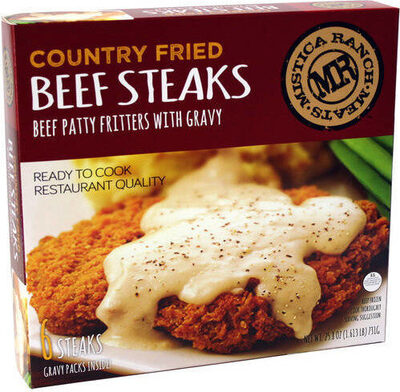
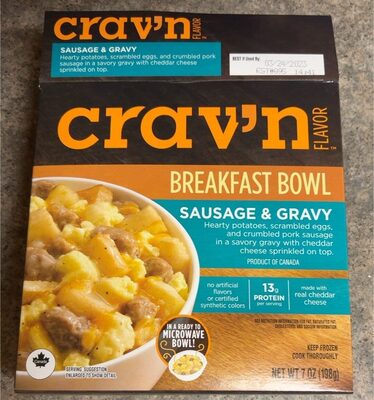
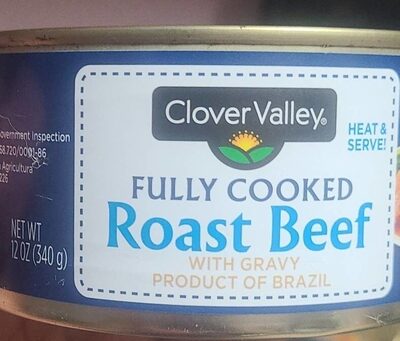
Foods that contain Gravy
Compare products →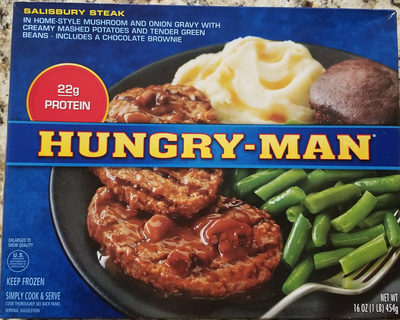

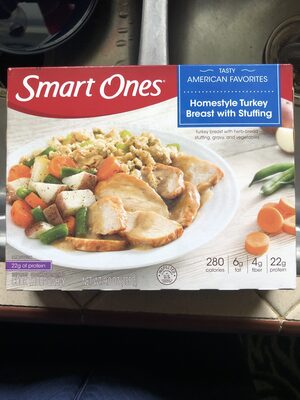
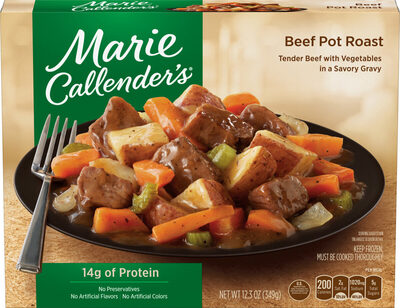
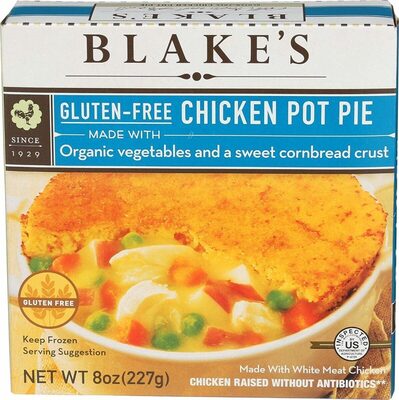












Learn more
Auto-generated content. This description was generated automatically and is pending editorial review. Inaccuracies are possible. Found a mistake? Contact us.