Gray Sea Salt
What is Gray Sea Salt?
Gray sea salt is a type of sea salt that gets its distinctive color from the clay and minerals in the salt marshes where it is harvested. It is typically unrefined, meaning it retains more trace minerals compared to highly processed table salt. It is produced through traditional methods of evaporation, often in coastal regions like Brittany, France.
Is Gray Sea Salt vegan?
Gray Sea Salt is not animal-derived. Products that contain it can still include other animal-derived ingredients, so check the full ingredient list.
Is Gray Sea Salt a major allergen?
Not a major allergen.
What is Gray Sea Salt used for?
Manufacturers add gray sea salt primarily for its flavor and as a natural preservative.
Is Gray Sea Salt safe?
Salt (sodium chloride) is generally recognized as safe (GRAS) by the FDA.
Why it's used
Manufacturers add gray sea salt primarily for its flavor and as a natural preservative. Its unique mineral profile can impart a more complex taste than regular table salt. It is commonly used in a wide range of foods, including salad dressings, dips, and prepared vegetables.
Health notes
Salt (sodium chloride) is generally recognized as safe (GRAS) by the FDA. High sodium intake is a public health concern, and the FDA Daily Value for sodium is 2,300 mg. JECFA has evaluated sodium chloride as a nutrient and food ingredient, but it does not set an acceptable daily intake (ADI) for it in the same way it does for food additives. There are no notable controversies regarding gray sea salt specifically, beyond general dietary advice about sodium intake.
Allergen info
Not a major allergen.
Foods that contain Gray Sea Salt
Compare products →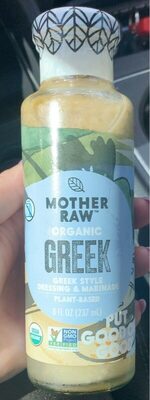
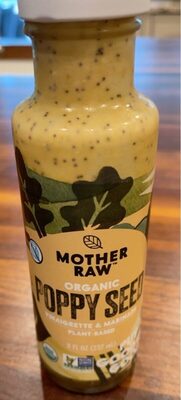
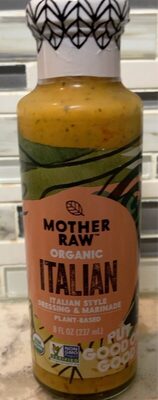
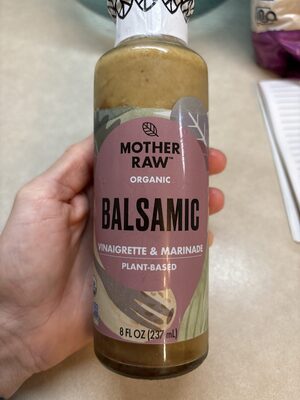
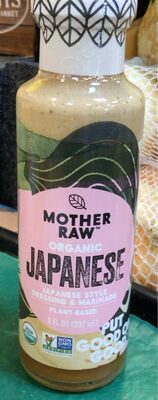
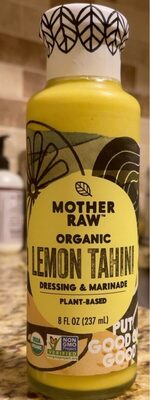 Mother Raw
Lemon Tahini Organic Dressing & Marinade, Lemon Tahini
200kcal
3.3Protein
15Fat
13.3Carbs
Learn more
Auto-generated content. This description was generated automatically and is pending editorial review. Inaccuracies are possible. Found a mistake? Contact us.