Greek Olives
Auto-generated content. This description was generated automatically and is pending editorial review. Inaccuracies are possible. Found a mistake? Contact us.
What it is
Greek olives are a variety of olive, typically the Kalamata olive, grown in Greece. They are harvested when ripe, usually a deep purple or black color, and then cured to reduce their natural bitterness. Curing methods can include brining in salt water or dry curing with salt.
Why it's used
Greek olives are often used whole or sliced in salads, pasta dishes, and pizzas. They add a distinct salty, briny, and slightly fruity flavor to foods. They are also a popular ingredient in Mediterranean-inspired dishes and as a table olive.
Health notes
Olives are a natural food product and are generally recognized as safe by the FDA. They are a source of healthy monounsaturated fats and antioxidants. International bodies like EFSA have evaluated olives and their components, recognizing their nutritional value. While generally healthy, their high sodium content from curing should be considered in a balanced diet.
Allergen info
Olives are not one of the FDA's nine major allergens and do not contain gluten.
Products containing Greek Olives
Compare products →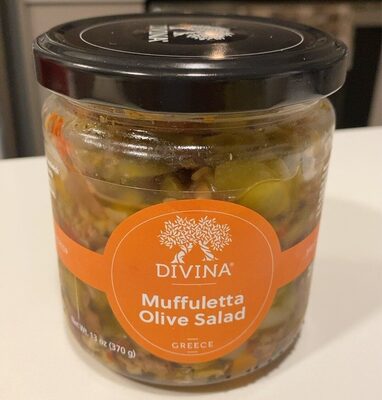 Food Match, Inc.
Muffuletta Olive Salad, Muffuletta Olive
High in sodium — 22% DV per serving
167kcal
0Protein
16.7Fat
0Carbs
Food Match, Inc.
Organic Olive Bruschetta
367kcal
0Protein
40Fat
3.3Carbs
Tribeca Oven, Inc.
Petite Pull Aparts Olive
231kcal
2.6Protein
3.9Fat
41.0Carbs
Fratelli Mantova Fu Vincenzo
Olives In Brine
143kcal
1.4Protein
14.3Fat
0Carbs
Vermont Creamery Inc.
Olive & Herb Spreadable Goat Cheese, Olive & Herb
179kcal
7.1Protein
14.3Fat
3.6Carbs
Food Match, Inc.
Olive Bruschetta, Olive
High in sodium — 22% DV per serving
167kcal
6.7Protein
15Fat
3.3Carbs
Food Match, Inc.
Muffuletta Olive Salad, Muffuletta Olive
High in sodium — 29% DV per serving
167kcal
0Protein
16.7Fat
6.7Carbs
Food Match, Inc.
Muffuletta Olive Salad, Muffuletta Olive
High in sodium — 22% DV per serving
167kcal
0Protein
16.7Fat
0Carbs
Food Match, Inc.
Organic Olive Bruschetta
367kcal
0Protein
40Fat
3.3Carbs
Tribeca Oven, Inc.
Petite Pull Aparts Olive
231kcal
2.6Protein
3.9Fat
41.0Carbs
Fratelli Mantova Fu Vincenzo
Olives In Brine
143kcal
1.4Protein
14.3Fat
0Carbs
Vermont Creamery Inc.
Olive & Herb Spreadable Goat Cheese, Olive & Herb
179kcal
7.1Protein
14.3Fat
3.6Carbs
Food Match, Inc.
Olive Bruschetta, Olive
High in sodium — 22% DV per serving
167kcal
6.7Protein
15Fat
3.3Carbs
Food Match, Inc.
Muffuletta Olive Salad, Muffuletta Olive
High in sodium — 29% DV per serving
167kcal
0Protein
16.7Fat
6.7Carbs