Green And Black Olives
What is Green And Black Olives?
Green and black olives are the fruit of the olive tree, native to the Mediterranean region. They are typically cured in brine or oil, a process that removes their natural bitterness and preserves them. Green olives are picked before ripening, while black olives are allowed to ripen on the tree.
Is Green And Black Olives vegan?
Green And Black Olives is not animal-derived. Products that contain it can still include other animal-derived ingredients, so check the full ingredient list.
Is Green And Black Olives gluten-free?
They do not contain gluten.
Is Green And Black Olives a major allergen?
Olives are not derived from any of the 9 FDA major allergens.
What is Green And Black Olives used for?
Olives are used as a food ingredient and a garnish.
Is Green And Black Olives safe?
Olives are generally recognized as safe (GRAS) by the FDA.
Why it's used
Olives are used as a food ingredient and a garnish. They add a salty, briny flavor and a distinct texture to dishes. They are commonly found in pasta sauces, pizzas, salads, tapenades, and as a standalone snack.
Health notes
Olives are generally recognized as safe (GRAS) by the FDA. They are a source of monounsaturated fatty acids, which are considered heart-healthy fats. International bodies like JECFA have evaluated olives and their components. While generally considered healthy in moderation, some individuals may experience digestive upset due to their high salt content from the brining process.
Allergen info
Olives are not derived from any of the 9 FDA major allergens. They do not contain gluten.
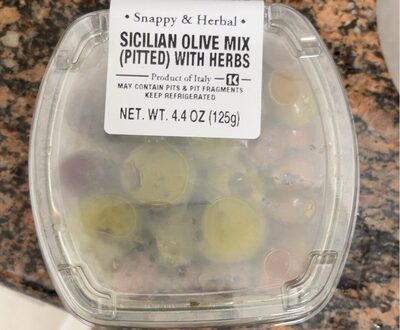
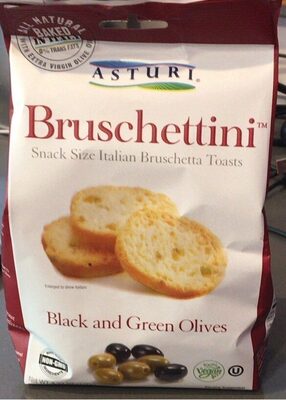
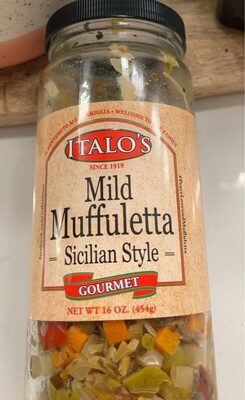
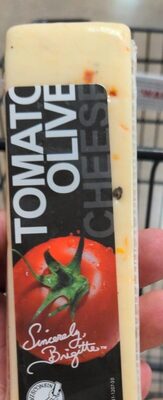
Foods that contain Green And Black Olives
Compare products →
Auto-generated content. This description was generated automatically and is pending editorial review. Inaccuracies are possible. Found a mistake? Contact us.