Green Tea Flavor
Auto-generated content. This description was generated automatically and is pending editorial review. Inaccuracies are possible. Found a mistake? Contact us.
What it is
Green tea flavor is derived from the leaves of the Camellia sinensis plant, the same plant used to make black, white, and oolong teas. It is typically produced by extracting flavor compounds from dried green tea leaves, often using solvents or water. The resulting extract or oil captures the characteristic taste and aroma of green tea.
Why it's used
Manufacturers use green tea flavor to impart the distinct taste of green tea into a variety of food products. It is commonly found in desserts, beverages, and baked goods, providing a subtle, earthy, and sometimes slightly bitter flavor profile. Examples include ice cream, cakes, cookies, and candies.
Health notes
Green tea flavorings are generally recognized as safe (GRAS) by the FDA when used as intended. Green tea itself contains antioxidants like catechins, which have been studied for potential health benefits. However, the health effects of concentrated flavor extracts are not as well-studied as those of whole green tea. JECFA and EFSA have evaluated various flavorings, but specific evaluations for 'green tea flavor' as a distinct entity may vary.
Allergen info
Green tea flavor is not derived from any of the nine FDA major allergens. It does not contain gluten.
Products containing Green Tea Flavor
Compare products →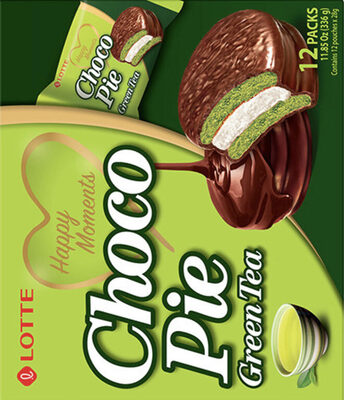 LOTTE
Choco Pie Green Tea
429kcal
3.6Protein
17.9Fat
64.3Carbs
Sogo Bakery, Inc.
Swiss Roll, Green Tea
High in saturated fat — 25% DV per serving
High in cholesterol — 30% DV per serving
293kcal
5.3Protein
16Fat
32Carbs
LOTTE
Choco Pie Green Tea
429kcal
3.6Protein
17.9Fat
64.3Carbs
Sogo Bakery, Inc.
Swiss Roll, Green Tea
High in saturated fat — 25% DV per serving
High in cholesterol — 30% DV per serving
293kcal
5.3Protein
16Fat
32Carbs
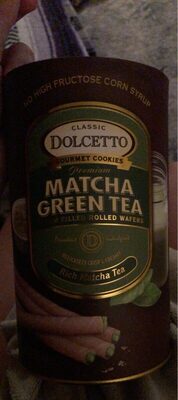 Fusion Gourmet, Inc.
Premium Matcha Green Tea Cream Filled Rolled Wafers, Matcha Green Tea
High in saturated fat — 20% DV per serving
500kcal
7.1Protein
28.6Fat
60.7Carbs
The Kroger Co.
Original Green Tea
33kcal
0Protein
0Fat
8.3Carbs
Fusion Gourmet, Inc.
Green Tea Latte Candy, Green Tea Latte
429kcal
0Protein
0Fat
85.7Carbs
Fusion Gourmet, Inc.
Premium Matcha Green Tea Cream Filled Rolled Wafers, Matcha Green Tea
High in saturated fat — 20% DV per serving
500kcal
7.1Protein
28.6Fat
60.7Carbs
The Kroger Co.
Original Green Tea
33kcal
0Protein
0Fat
8.3Carbs
Fusion Gourmet, Inc.
Green Tea Latte Candy, Green Tea Latte
429kcal
0Protein
0Fat
85.7Carbs
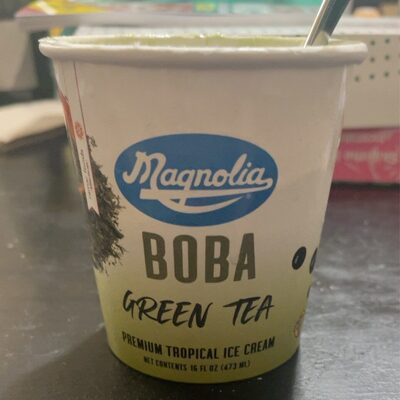 Ramar International Corp.
Green Tea Boba Premium Tropical Ice Cream, Green Tea
High in saturated fat — 55% DV per serving
High in added sugars — 32% DV per serving
High in cholesterol — 20% DV per serving
236kcal
3.9Protein
—Fat
24.4Carbs
Smart & Final Iris Corporation
Green Tea Premium Ice Cream, Green Tea
High in saturated fat — 35% DV per serving
High in added sugars — 28% DV per serving
208kcal
2.1Protein
11.5Fat
22.9Carbs
Ramar International Corp.
Green Tea Boba Premium Tropical Ice Cream, Green Tea
High in saturated fat — 55% DV per serving
High in added sugars — 32% DV per serving
High in cholesterol — 20% DV per serving
236kcal
3.9Protein
—Fat
24.4Carbs
Smart & Final Iris Corporation
Green Tea Premium Ice Cream, Green Tea
High in saturated fat — 35% DV per serving
High in added sugars — 28% DV per serving
208kcal
2.1Protein
11.5Fat
22.9Carbs
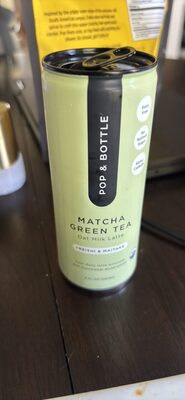 Pop and Bottle LLC
Matcha Green Tea Oat Milk Latte, Matcha Green Tea
46kcal
0.4Protein
1.5Fat
8.9Carbs
Pop and Bottle LLC
Matcha Green Tea Oat Milk Latte, Matcha Green Tea
46kcal
0.4Protein
1.5Fat
8.9Carbs