Grill Flavoring
Auto-generated content. This description was generated automatically and is pending editorial review. Inaccuracies are possible. Found a mistake? Contact us.
What it is
Grill flavoring is a compound used to impart a smoky, grilled taste to foods. It is typically created by heating ingredients like fats, proteins, and carbohydrates, often with the addition of smoke or smoke-derived compounds. The process aims to mimic the flavor profile achieved through actual grilling.
Why it's used
Manufacturers add grill flavoring to foods to give them a savory, smoky, and grilled taste without the need for actual grilling. It is commonly found in processed meats, soups, sauces, and snack foods where a grilled flavor is desired.
Health notes
Grill flavoring is generally recognized as safe (GRAS) by the FDA when used as intended. Regulatory bodies like the Joint FAO/WHO Expert Committee on Food Additives (JECFA) have evaluated similar flavoring substances. While generally considered safe at typical consumption levels, some research has explored the potential formation of compounds like polycyclic aromatic hydrocarbons (PAHs) during high-heat cooking or processing, though levels in flavored foods are typically low and within established safety guidelines.
Allergen info
Grill flavoring itself is not typically derived from major allergens. However, the base ingredients used to create the flavoring or the foods it is added to may contain allergens. Always check the product's ingredient list for specific allergen information.
Products containing Grill Flavoring
Compare products →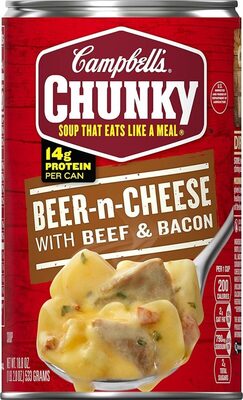 Campbell Soup Company
Beer-N-Cheese With Beef & Bacon
High in sodium — 34% DV per serving
83kcal
2.9Protein
3.8Fat
9.2Carbs
CAMPBELL SOUP COMPANY
Prego Fire Roasted Tomato Pasta Sauce, 23.5 oz Jar
54kcal
1.5Protein
1.1Fat
8.5Carbs
CAMPBELL SOUP COMPANY
Campbell's Chunky Soup, Steak With Hearty Vegetables Soup, 18.8 Oz Can
High in sodium — 38% DV per serving
49kcal
2.5Protein
1.2Fat
7.3Carbs
Campbell Soup Company
Beer-N-Cheese With Beef & Bacon
High in sodium — 34% DV per serving
83kcal
2.9Protein
3.8Fat
9.2Carbs
CAMPBELL SOUP COMPANY
Prego Fire Roasted Tomato Pasta Sauce, 23.5 oz Jar
54kcal
1.5Protein
1.1Fat
8.5Carbs
CAMPBELL SOUP COMPANY
Campbell's Chunky Soup, Steak With Hearty Vegetables Soup, 18.8 Oz Can
High in sodium — 38% DV per serving
49kcal
2.5Protein
1.2Fat
7.3Carbs