Gum Arabic And Artificial Flavor
What is Gum Arabic And Artificial Flavor?
Gum arabic is a natural gum made from the hardened sap of acacia trees, primarily from Sudan and the Sahel region of Africa. The sap is harvested, cleaned, and processed into a powder or granules.
Is Gum Arabic And Artificial Flavor vegan?
Gum Arabic And Artificial Flavor is not animal-derived. Products that contain it can still include other animal-derived ingredients, so check the full ingredient list.
Is Gum Arabic And Artificial Flavor gluten-free?
It is also gluten-free.
Is Gum Arabic And Artificial Flavor a major allergen?
Gum arabic is not derived from any of the nine FDA major allergens.
What is Gum Arabic And Artificial Flavor used for?
Manufacturers use gum arabic as a stabilizer, emulsifier, and thickener in foods.
Is Gum Arabic And Artificial Flavor safe?
Gum arabic is generally recognized as safe (GRAS) by the FDA for use in food.
Why it's used
Manufacturers use gum arabic as a stabilizer, emulsifier, and thickener in foods. It helps prevent ingredients from separating and improves texture. You can find it in beverages, confectionery, and baked goods.
Health notes
Gum arabic is generally recognized as safe (GRAS) by the FDA for use in food. It is a source of soluble dietary fiber, which may aid digestion and promote gut health. The Joint FAO/WHO Expert Committee on Food Additives (JECFA) has evaluated gum arabic and established an acceptable daily intake.
Allergen info
Gum arabic is not derived from any of the nine FDA major allergens. It is also gluten-free.
Foods that contain Gum Arabic And Artificial Flavor
Compare products →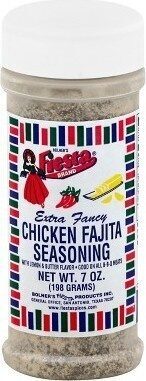 Bolner's Fiesta Products, Inc.
Chicken Fajita Seasoning, Lemon & Butter
0kcal
0Protein
0Fat
0Carbs
Bolner's Fiesta Products, Inc.
Chicken Fajita Seasoning, Lemon & Butter
0kcal
0Protein
0Fat
0Carbs
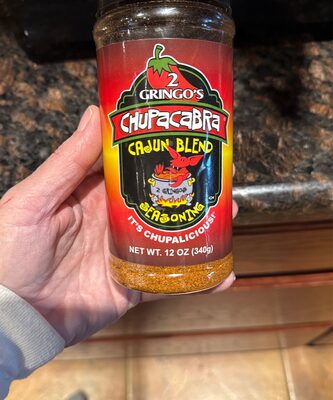 Mexican General Merchandise
Cajun Blend Seasoning, Cajun Blend
0kcal
0Protein
0Fat
0Carbs
Mexican General Merchandise
Cajun Blend Seasoning, Cajun Blend
0kcal
0Protein
0Fat
0Carbs
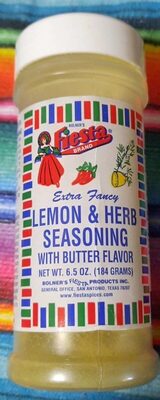 Bolner's Fiesta Products, Inc.
Lemon & Herb Seasoning With Butter Flavor, Lemon & Herb
0kcal
0Protein
0Fat
0Carbs
Bolner's Fiesta Products, Inc.
Lemon & Herb Seasoning With Butter Flavor, Lemon & Herb
0kcal
0Protein
0Fat
0Carbs
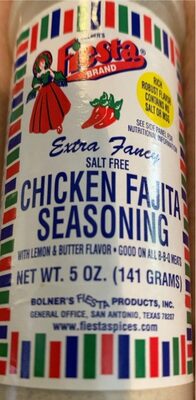 Bolner's Fiesta Products, Inc.
Chicken Fajita Seasoning, Chicken Fajita
0kcal
0Protein
0Fat
0Carbs
Bolner's Fiesta Products, Inc.
Bolner's Fiesta, Uncle Chris' Gourmet Steak Seasoning
0kcal
0Protein
0Fat
0Carbs
Mexican General Merchandise
Brisket Magic & Season-All BBQ Rub
0kcal
0Protein
0Fat
0Carbs
Bolner's Fiesta Products, Inc.
Chicken Fajita Seasoning, Chicken Fajita
0kcal
0Protein
0Fat
0Carbs
Mexican General Merchandise
Chupalicious
0kcal
0Protein
0Fat
0Carbs
Bolner's Fiesta Products, Inc.
Chicken Fajita Seasoning, Chicken Fajita
0kcal
0Protein
0Fat
0Carbs
Bolner's Fiesta Products, Inc.
Bolner's Fiesta, Uncle Chris' Gourmet Steak Seasoning
0kcal
0Protein
0Fat
0Carbs
Mexican General Merchandise
Brisket Magic & Season-All BBQ Rub
0kcal
0Protein
0Fat
0Carbs
Bolner's Fiesta Products, Inc.
Chicken Fajita Seasoning, Chicken Fajita
0kcal
0Protein
0Fat
0Carbs
Mexican General Merchandise
Chupalicious
0kcal
0Protein
0Fat
0Carbs
Learn more
Auto-generated content. This description was generated automatically and is pending editorial review. Inaccuracies are possible. Found a mistake? Contact us.