Ham Containing Up To 25% Of A Solution With Water
What is Ham Containing Up To 25% Of A Solution With Water?
This ingredient is ham that has been treated with a solution containing water. The solution helps to preserve the ham and add moisture. The ham is typically cured, meaning it is treated with salt and other preservatives.
Is Ham Containing Up To 25% Of A Solution With Water vegan?
No. Ham Containing Up To 25% Of A Solution With Water is animal-derived, so it is not vegan.
Is Ham Containing Up To 25% Of A Solution With Water gluten-free?
Gluten is not typically present in ham itself, but it's important to check labels for potential cross-contamination or added ingredients in processed products.
Is Ham Containing Up To 25% Of A Solution With Water a major allergen?
Ham is not a major allergen.
What is Ham Containing Up To 25% Of A Solution With Water used for?
Manufacturers add ham to processed foods to provide a savory flavor and protein.
Is Ham Containing Up To 25% Of A Solution With Water safe?
Ham is a source of protein and various nutrients.
Why it's used
Manufacturers add ham to processed foods to provide a savory flavor and protein. It is often found in frozen appetizers, pizzas, and frozen dinners. The "up to 25% solution" indicates the maximum amount of added liquid that can be included in the product.
Health notes
Ham is a source of protein and various nutrients. However, processed meats like ham can be high in sodium and nitrates, which have been linked to health concerns in some studies. The World Health Organization (WHO) has classified processed meats as carcinogenic to humans. Consumers concerned about sodium intake should check the nutrition facts label.
Allergen info
Ham is not a major allergen. Gluten is not typically present in ham itself, but it's important to check labels for potential cross-contamination or added ingredients in processed products.
Foods that contain Ham Containing Up To 25% Of A Solution With Water
Compare products →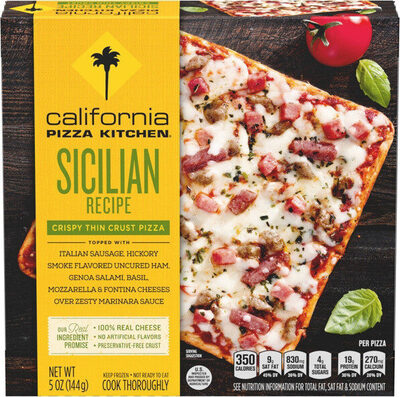
Learn more
Auto-generated content. This description was generated automatically and is pending editorial review. Inaccuracies are possible. Found a mistake? Contact us.