Hidrolized Soy Protein
What is Hidrolized Soy Protein?
Hydrolyzed soy protein is made by breaking down soy protein into smaller pieces called amino acids. This process is done using acids, enzymes, or heat. It is often used to add a savory, umami flavor to foods.
Is Hidrolized Soy Protein vegan?
Hidrolized Soy Protein is not animal-derived. Products that contain it can still include other animal-derived ingredients, so check the full ingredient list.
Is Hidrolized Soy Protein gluten-free?
It does not contain gluten.
Is Hidrolized Soy Protein a major allergen?
Hydrolyzed soy protein is derived from soy, which is one of the 9 FDA major allergens.
What is Hidrolized Soy Protein used for?
Manufacturers add hydrolyzed soy protein to foods to enhance their savory or meaty flavor.
Is Hidrolized Soy Protein safe?
Hydrolyzed soy protein is generally recognized as safe (GRAS) by the FDA.
Why it's used
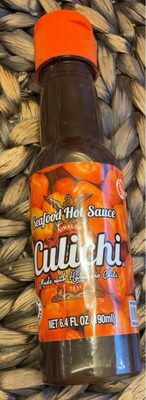
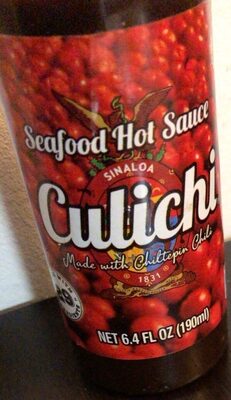
Manufacturers add hydrolyzed soy protein to foods to enhance their savory or meaty flavor. It is commonly found in snacks like chips and pretzels, as well as sauces, gravies, and seasoned mixes.
Health notes
Hydrolyzed soy protein is generally recognized as safe (GRAS) by the FDA. Regulatory bodies like JECFA and EFSA have evaluated it and found it acceptable for use. While soy is a common allergen, the hydrolysis process may alter its allergenic properties, though individuals with severe soy allergies should still exercise caution.
Allergen info
Hydrolyzed soy protein is derived from soy, which is one of the 9 FDA major allergens. It does not contain gluten.
Foods that contain Hidrolized Soy Protein
Compare products →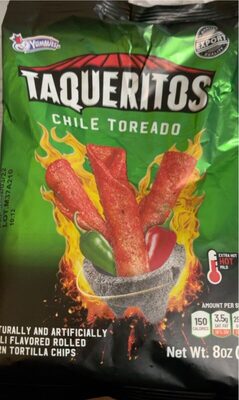
Learn more
Auto-generated content. This description was generated automatically and is pending editorial review. Inaccuracies are possible. Found a mistake? Contact us.