High Oleic Sunflower Oil Safflower Oil Canola Oil
What is High Oleic Sunflower Oil Safflower Oil Canola Oil?
High oleic sunflower oil and safflower oil are types of vegetable oil that have been bred to contain more oleic acid, a type of monounsaturated fat. Canola oil is made from the seeds of the rapeseed plant. All three are refined vegetable oils used for cooking and in processed foods.
Is High Oleic Sunflower Oil Safflower Oil Canola Oil vegan?
High Oleic Sunflower Oil Safflower Oil Canola Oil is not animal-derived. Products that contain it can still include other animal-derived ingredients, so check the full ingredient list.
Is High Oleic Sunflower Oil Safflower Oil Canola Oil a major allergen?
Not a major allergen.
What is High Oleic Sunflower Oil Safflower Oil Canola Oil used for?
These oils are used as cooking oils and as ingredients in a wide variety of processed foods.
Is High Oleic Sunflower Oil Safflower Oil Canola Oil safe?
High oleic sunflower oil, safflower oil, and canola oil are generally recognized as safe (GRAS) by the FDA for use in food.
Why it's used
These oils are used as cooking oils and as ingredients in a wide variety of processed foods. They provide a neutral flavor and a smooth texture, and they can help extend shelf life by preventing spoilage.
Health notes
High oleic sunflower oil, safflower oil, and canola oil are generally recognized as safe (GRAS) by the FDA for use in food. They are sources of monounsaturated fats, which are considered healthy fats. International bodies like JECFA and EFSA have evaluated these oils. Evidence suggests that replacing saturated fats with unsaturated fats, like those found in these oils, can be beneficial for heart health.
Allergen info
Not a major allergen. Canola oil is derived from rapeseed, which is not one of the 9 major allergens. Sunflower and safflower are not major allergens.
Foods that contain High Oleic Sunflower Oil Safflower Oil Canola Oil
Compare products →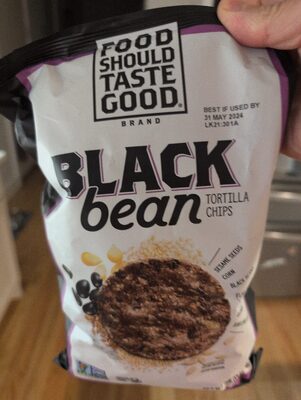
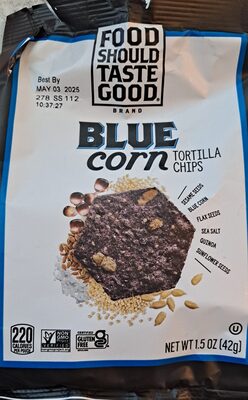
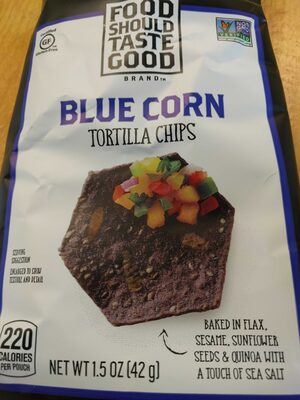
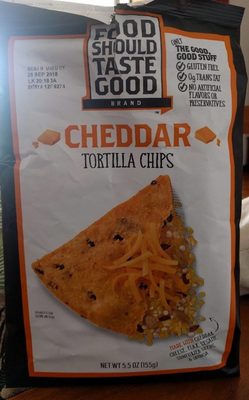
Learn more
Auto-generated content. This description was generated automatically and is pending editorial review. Inaccuracies are possible. Found a mistake? Contact us.