Honey Coating
What is Honey Coating?
Honey coating is a sweet glaze or syrup made primarily from honey. Honey is a natural sweetener produced by bees from the nectar of flowers. The coating may also include other ingredients like sugar, water, or flavorings to achieve a desired texture and taste.
Is Honey Coating vegan?
No. Honey Coating is animal-derived, so it is not vegan.
Is Honey Coating gluten-free?
Gluten is not naturally present in honey.
Is Honey Coating a major allergen?
Honey itself is not one of the 9 FDA major allergens.
What is Honey Coating used for?
Manufacturers use honey coating to add sweetness, flavor, and a glossy appearance to foods.
Is Honey Coating safe?
Honey is generally recognized as safe (GRAS) by the FDA for use in food.
Why it's used
Manufacturers use honey coating to add sweetness, flavor, and a glossy appearance to foods. It helps create a crunchy texture in products like roasted nuts, seeds, and popcorn. It is also found in baked goods, cereals, and snack mixes.
Health notes
Honey is generally recognized as safe (GRAS) by the FDA for use in food. It is a natural sugar source. The WHO has stated that free sugars, including those from honey, should be reduced in the diet. JECFA has evaluated honey and established specifications for its identity and quality. Evidence does not suggest adverse health effects from honey when consumed in moderation as part of a balanced diet.
Allergen info
Honey itself is not one of the 9 FDA major allergens. However, some honey products may be processed in facilities that handle allergens, leading to potential cross-contamination. Gluten is not naturally present in honey.
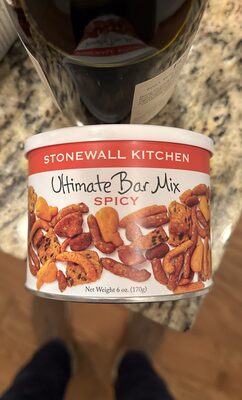
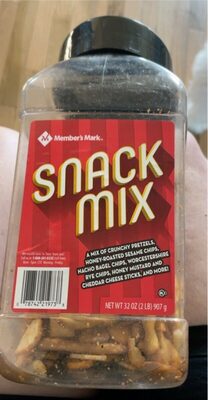
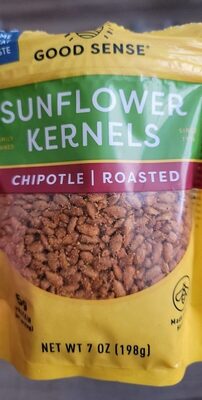
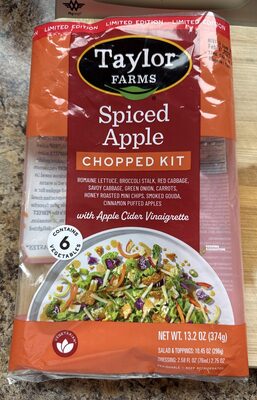
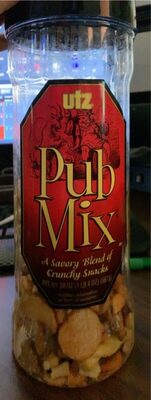
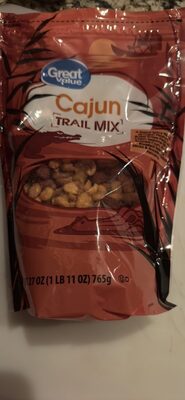
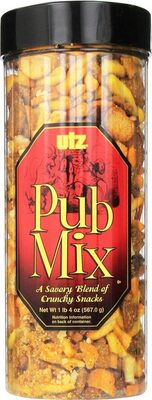
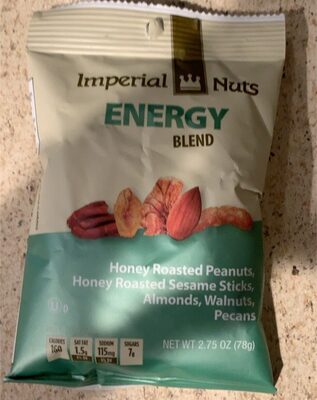
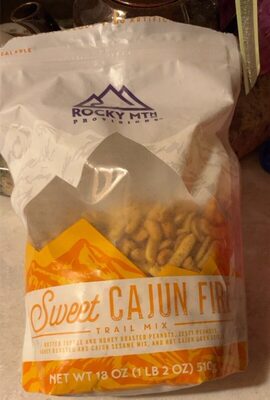
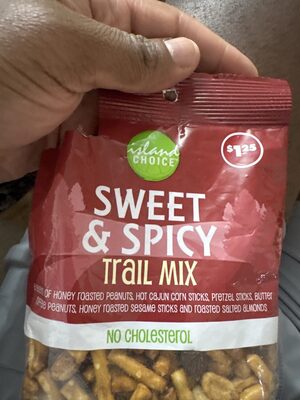
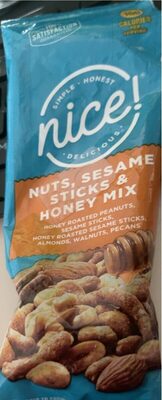
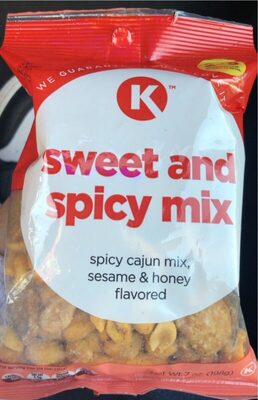
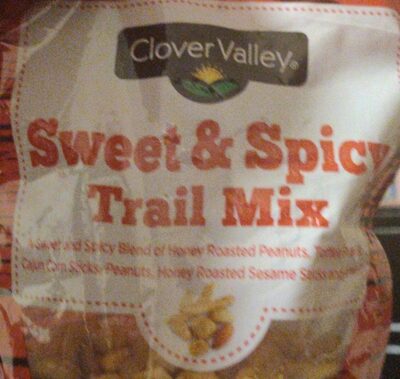
Foods that contain Honey Coating
Compare products →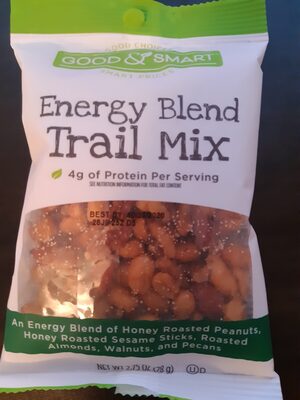
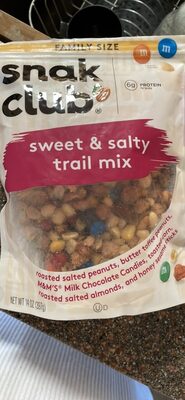

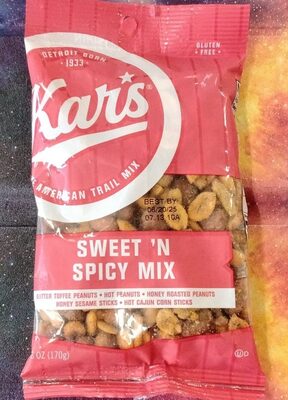
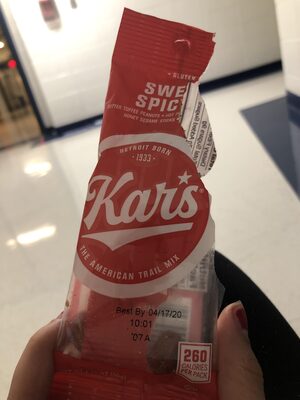

Learn more
Auto-generated content. This description was generated automatically and is pending editorial review. Inaccuracies are possible. Found a mistake? Contact us.