Hvp
Auto-generated content. This description was generated automatically and is pending editorial review. Inaccuracies are possible. Found a mistake? Contact us.
What it is
Hydrolyzed vegetable protein (HVP) is made by breaking down vegetable proteins, usually from soy or wheat, into their amino acids. This process is called hydrolysis and often uses hydrochloric acid, followed by neutralization. The resulting product is a savory, salty powder or liquid.
Why it's used
HVP is used to add a savory, umami, or meaty flavor to foods. It acts as a flavor enhancer and is often found in processed meats, soups, sauces, gravies, and snack foods.
Health notes
HVP is generally recognized as safe (GRAS) by the FDA for use in food. It contains glutamate, which contributes to its savory taste. While some people report sensitivity to MSG (monosodium glutamate), which is chemically similar to glutamate in HVP, scientific reviews by bodies like the WHO/FAO Joint Expert Committee on Food Additives (JECFA) have not found consistent evidence of adverse effects from typical consumption.
Allergen info
HVP is often derived from soy or wheat, which are among the FDA's major allergens. If derived from wheat, it may contain gluten.
Products containing Hvp
Compare products →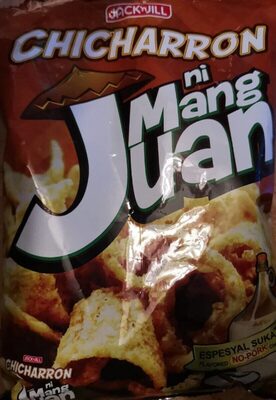 JACK 'N JILL
Ni Mang Juan Chicharron
High in saturated fat — 20% DV per serving
500kcal
10Protein
26.7Fat
56.7Carbs
JACK 'N JILL
Ni Mang Juan Chicharron
High in saturated fat — 20% DV per serving
500kcal
10Protein
26.7Fat
56.7Carbs
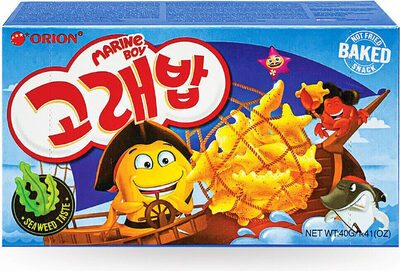 ORION
Marine Boy Baked Snack
475kcal
7.5Protein
15Fat
75Carbs
The Good Crisp Company Inc.
BBQ Flavored Potato Crisps, BBQ
536kcal
3.6Protein
28.6Fat
60.7Carbs
The Good Crisp Company Inc.
BBQ Flavored Potato Crisps, BBQ
536kcal
3.6Protein
28.6Fat
60.7Carbs
ORION
Marine Boy Baked Snack
475kcal
7.5Protein
15Fat
75Carbs
The Good Crisp Company Inc.
BBQ Flavored Potato Crisps, BBQ
536kcal
3.6Protein
28.6Fat
60.7Carbs
The Good Crisp Company Inc.
BBQ Flavored Potato Crisps, BBQ
536kcal
3.6Protein
28.6Fat
60.7Carbs
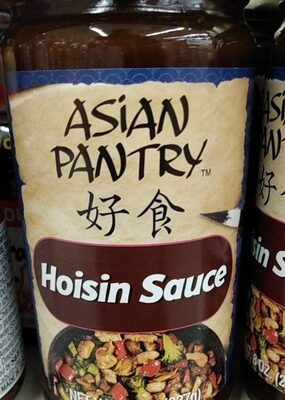 Allied Old English Inc.
Hoisin Sauce, Hoisin
235kcal
0Protein
0Fat
52.9Carbs
Allied Old English Inc.
Soy Sauce, Soy
High in sodium — 29% DV per serving
67kcal
6.7Protein
0Fat
20Carbs
Allied Old English Inc.
Hoisin Sauce, Hoisin
235kcal
0Protein
0Fat
52.9Carbs
Allied Old English Inc.
Soy Sauce, Soy
High in sodium — 29% DV per serving
67kcal
6.7Protein
0Fat
20Carbs
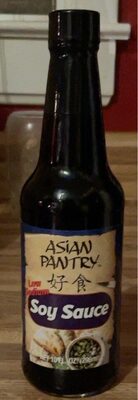 Allied Old English Inc.
Soy Low Sodium Sauce, Soy
High in sodium — 20% DV per serving
67kcal
0Protein
0Fat
20Carbs
Allied Old English Inc.
Soy Sauce
High in sodium — 20% DV per serving
67kcal
6.7Protein
0Fat
20Carbs
Allied Old English Inc.
Soy Low Sodium Sauce, Soy
High in sodium — 20% DV per serving
67kcal
0Protein
0Fat
20Carbs
Allied Old English Inc.
Soy Sauce
High in sodium — 20% DV per serving
67kcal
6.7Protein
0Fat
20Carbs
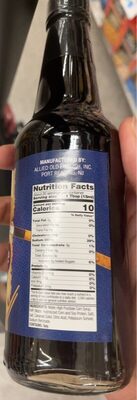 Allied Old English Inc.
Soy Sauce, Soy
High in sodium — 29% DV per serving
67kcal
0Protein
0Fat
20Carbs
Allied Old English Inc.
Soy Sauce, Soy
High in sodium — 29% DV per serving
67kcal
0Protein
0Fat
20Carbs