Hydrated Pea Protein
What is Hydrated Pea Protein?
Hydrated pea protein is a plant-based protein derived from yellow split peas. The peas are processed to isolate the protein, which is then hydrated (mixed with water) to create a versatile ingredient.
Is Hydrated Pea Protein vegan?
Hydrated Pea Protein is not animal-derived. Products that contain it can still include other animal-derived ingredients, so check the full ingredient list.
Is Hydrated Pea Protein gluten-free?
It is also naturally gluten-free.
Is Hydrated Pea Protein a major allergen?
Pea protein is not derived from one of the nine FDA major allergens.
What is Hydrated Pea Protein used for?
Manufacturers use hydrated pea protein as a meat alternative and a protein enhancer.
Is Hydrated Pea Protein safe?
Hydrated pea protein is generally recognized as safe (GRAS) by the FDA.
Why it's used
Manufacturers use hydrated pea protein as a meat alternative and a protein enhancer. Its texture and ability to bind ingredients make it suitable for products like plant-based burgers, sausages, and other meatless entrees.
Health notes
Hydrated pea protein is generally recognized as safe (GRAS) by the FDA. It is a good source of plant-based protein and fiber. Regulatory bodies like JECFA and EFSA have evaluated pea protein and its components, finding them safe for consumption within typical dietary levels. There are no widespread health controversies associated with its consumption.
Allergen info
Pea protein is not derived from one of the nine FDA major allergens. It is also naturally gluten-free.
Foods that contain Hydrated Pea Protein
Compare products →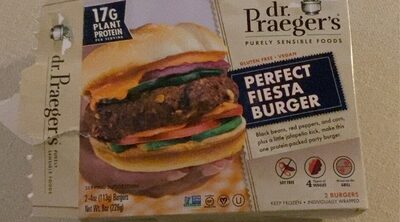 Dr. Praeger's Sensible Foods, Inc.
Fiesta Perfect Burgers, Fiesta
186kcal
15.0Protein
10.6Fat
9.7Carbs
Dr. Praeger's Sensible Foods, Inc.
Fiesta Perfect Burgers, Fiesta
186kcal
15.0Protein
10.6Fat
9.7Carbs
 Somos Amigos Inc
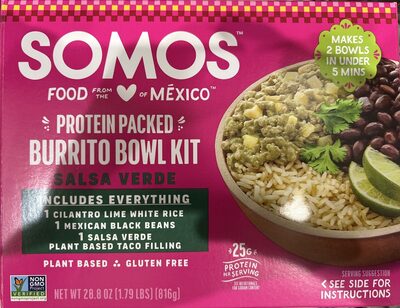
Salsa Verde Protein Packed Burrito Bowl Kit, Salsa Verde
High in sodium — 66% DV per serving
400kcal
17.9Protein
8.6Fat
62.9Carbs
Somos Amigos Inc
Salsa Verde Protein Packed Burrito Bowl Kit, Salsa Verde
High in sodium — 66% DV per serving
400kcal
17.9Protein
8.6Fat
62.9Carbs
 Dr. Praeger's Sensible Foods, Inc.
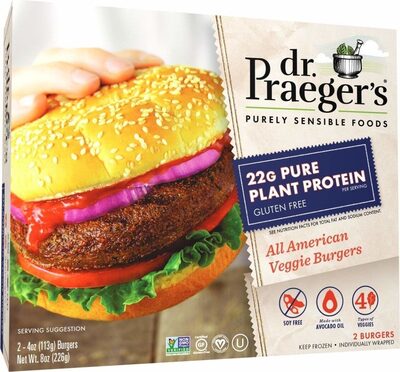
All American Veggie Burgers
High in sodium — 20% DV per serving
212kcal
24.8Protein
9.7Fat
6.2Carbs
Dr. Praeger's Sensible Foods, Inc.
Sunday Funday Veggie Sausages
High in sodium — 24% DV per serving
222kcal
20Protein
11.1Fat
8.9Carbs
Dr. Praeger's Sensible Foods, Inc.
All American Veggie Burgers
High in sodium — 20% DV per serving
212kcal
24.8Protein
9.7Fat
6.2Carbs
Dr. Praeger's Sensible Foods, Inc.
Sunday Funday Veggie Sausages
High in sodium — 24% DV per serving
222kcal
20Protein
11.1Fat
8.9Carbs
Learn more
Auto-generated content. This description was generated automatically and is pending editorial review. Inaccuracies are possible. Found a mistake? Contact us.