Hydrogenated Rapeseed Cotton Seed Oil
What is Hydrogenated Rapeseed Cotton Seed Oil?
This is a type of vegetable oil that has been processed to make it more solid and stable. It starts as liquid oil from rapeseed and cotton seeds, then hydrogen gas is added under pressure with a catalyst. This process changes the oil's texture and shelf life.
Is Hydrogenated Rapeseed Cotton Seed Oil vegan?
Hydrogenated Rapeseed Cotton Seed Oil is not animal-derived. Products that contain it can still include other animal-derived ingredients, so check the full ingredient list.
Is Hydrogenated Rapeseed Cotton Seed Oil a major allergen?
Cottonseed oil is not one of the 9 FDA major allergens.
What is Hydrogenated Rapeseed Cotton Seed Oil used for?
Manufacturers use hydrogenated oils to improve the texture and stability of foods.
Is Hydrogenated Rapeseed Cotton Seed Oil safe?
Hydrogenated oils are generally recognized as safe (GRAS) by the FDA.
Why it's used
Manufacturers use hydrogenated oils to improve the texture and stability of foods. They help prevent oils from separating and give products a smoother feel. You can find them in baked goods, shortenings, and some nut butters.
Health notes
Hydrogenated oils are generally recognized as safe (GRAS) by the FDA. The process can create small amounts of trans fats, though newer methods aim to minimize this. Regulatory bodies like JECFA have evaluated fats and oils, but specific numeric limits are not always set. Research on the health effects of trans fats at typical intake levels suggests limiting consumption.
Allergen info
Cottonseed oil is not one of the 9 FDA major allergens. However, if the product also contains other ingredients derived from major allergens, cross-contamination is possible during manufacturing.
Foods that contain Hydrogenated Rapeseed Cotton Seed Oil
Compare products →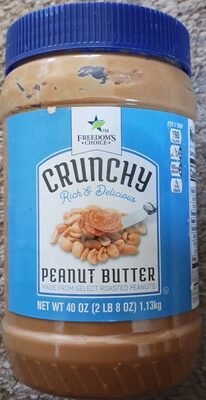 Defense Commissary Agency
Crunchy Rich & Delicious Peanut Butter, Crunchy
594kcal
21.9Protein
46.9Fat
25Carbs
Defense Commissary Agency
Crunchy Rich & Delicious Peanut Butter, Crunchy
594kcal
21.9Protein
46.9Fat
25Carbs
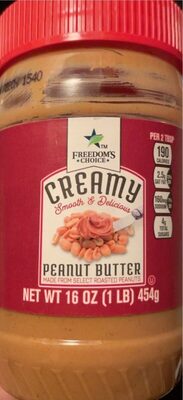 Defense Commissary Agency
Creamy Peanut Butter, Creamy
594kcal
21.9Protein
46.9Fat
25Carbs
Defense Commissary Agency
Creamy Peanut Butter, Creamy
594kcal
21.9Protein
46.9Fat
25Carbs
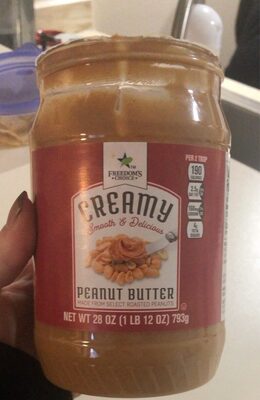 Defense Commissary Agency
Creamy Smooth & Delicious Peanut Butter
594kcal
21.9Protein
46.9Fat
25Carbs
Defense Commissary Agency
Creamy Smooth & Delicious Peanut Butter
594kcal
21.9Protein
46.9Fat
25Carbs
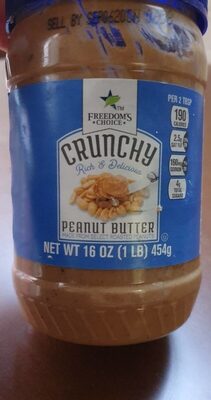 Defense Commissary Agency
Crunchy Rich & Delicious Peanut Butter, Crunchy
594kcal
21.9Protein
46.9Fat
25Carbs
Topco Associates, Inc.
Crunchy Peanut Butter, Crunchy
594kcal
21.9Protein
46.9Fat
25Carbs
Defense Commissary Agency
Crunchy Roasted Peanut Butter
594kcal
21.9Protein
46.9Fat
25Carbs
Defense Commissary Agency
Creamy Smooth & Delicious Peanut Butter, Creamy
594kcal
21.9Protein
46.9Fat
25Carbs
Defense Commissary Agency
Crunchy Rich & Delicious Peanut Butter, Crunchy
594kcal
21.9Protein
46.9Fat
25Carbs
Topco Associates, Inc.
Crunchy Peanut Butter, Crunchy
594kcal
21.9Protein
46.9Fat
25Carbs
Defense Commissary Agency
Crunchy Roasted Peanut Butter
594kcal
21.9Protein
46.9Fat
25Carbs
Defense Commissary Agency
Creamy Smooth & Delicious Peanut Butter, Creamy
594kcal
21.9Protein
46.9Fat
25Carbs
Learn more
Auto-generated content. This description was generated automatically and is pending editorial review. Inaccuracies are possible. Found a mistake? Contact us.