Hydrolysed Milk Protein
What is Hydrolysed Milk Protein?
Hydrolyzed milk protein is made by breaking down milk proteins into smaller pieces, called peptides, using enzymes or acids. This process makes the protein easier to digest and absorb. It is derived from cow's milk.
Is Hydrolysed Milk Protein vegan?
No. Hydrolysed Milk Protein is animal-derived, so it is not vegan.
Is Hydrolysed Milk Protein gluten-free?
It does not contain gluten.
Is Hydrolysed Milk Protein a major allergen?
Hydrolyzed milk protein is derived from milk, which is one of the 9 FDA major allergens.
What is Hydrolysed Milk Protein used for?
Manufacturers add hydrolyzed milk protein to foods to boost protein content and improve texture.
Is Hydrolysed Milk Protein safe?
Hydrolyzed milk protein is generally recognized as safe (GRAS) by the FDA for use in food.
Why it's used
Manufacturers add hydrolyzed milk protein to foods to boost protein content and improve texture. It can also act as an emulsifier, helping to blend ingredients like oil and water. It is commonly found in protein bars, infant formulas, and some dairy-based beverages.
Health notes
Hydrolyzed milk protein is generally recognized as safe (GRAS) by the FDA for use in food. It is a source of amino acids, which are essential for bodily functions. Regulatory bodies like JECFA and EFSA have evaluated milk proteins. Evidence does not suggest adverse health effects from typical consumption.
Allergen info
Hydrolyzed milk protein is derived from milk, which is one of the 9 FDA major allergens. It does not contain gluten.
Foods that contain Hydrolysed Milk Protein
Compare products →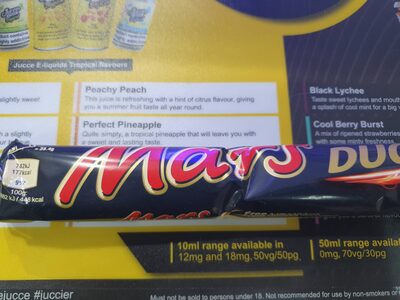 MARS DUO
Mars Duo, Milk Chocolate With Soft Nougat And Caramel Centre Bar
450kcal
4.3Protein
16.9Fat
69.3Carbs
Sugarfina
Sugarfina, Ice Cream Cones Candy
332kcal
5Protein
0Fat
77.5Carbs
Bashas' Markets
Chocolate Marshmallow Covered With Dark Chocolate, Chocolate Marshmallow
High in added sugars — 30% DV per serving
417kcal
4.2Protein
8.3Fat
70.8Carbs
Bashas' Markets
Minty Chocolate Marshmallow Covered With Dark Chocolate, Minty Chocolate Covered With Dark Chocolate
High in added sugars — 34% DV per serving
407kcal
3.7Protein
11.1Fat
70.4Carbs
MARS DUO
Mars Duo, Milk Chocolate With Soft Nougat And Caramel Centre Bar
450kcal
4.3Protein
16.9Fat
69.3Carbs
Sugarfina
Sugarfina, Ice Cream Cones Candy
332kcal
5Protein
0Fat
77.5Carbs
Bashas' Markets
Chocolate Marshmallow Covered With Dark Chocolate, Chocolate Marshmallow
High in added sugars — 30% DV per serving
417kcal
4.2Protein
8.3Fat
70.8Carbs
Bashas' Markets
Minty Chocolate Marshmallow Covered With Dark Chocolate, Minty Chocolate Covered With Dark Chocolate
High in added sugars — 34% DV per serving
407kcal
3.7Protein
11.1Fat
70.4Carbs
Learn more
Auto-generated content. This description was generated automatically and is pending editorial review. Inaccuracies are possible. Found a mistake? Contact us.