Hydrolyzed Soy Protein And Corn Protein
What is Hydrolyzed Soy Protein And Corn Protein?
Hydrolyzed soy protein and corn protein are made by breaking down soy and corn proteins into smaller pieces (amino acids and peptides) through a process called hydrolysis. This process enhances their savory, umami flavor.
Is Hydrolyzed Soy Protein And Corn Protein vegan?
Hydrolyzed Soy Protein And Corn Protein is not animal-derived. Products that contain it can still include other animal-derived ingredients, so check the full ingredient list.
Is Hydrolyzed Soy Protein And Corn Protein a major allergen?
Soy is one of the 9 FDA major allergens.
What is Hydrolyzed Soy Protein And Corn Protein used for?
These ingredients are used to add a rich, meaty, or savory flavor to foods.
Is Hydrolyzed Soy Protein And Corn Protein safe?
Hydrolyzed soy protein and corn protein are generally recognized as safe (GRAS) by the FDA when used as flavoring agents.
Why it's used
These ingredients are used to add a rich, meaty, or savory flavor to foods. They act as flavor enhancers and are commonly found in seasoning mixes, gravies, marinades, soups, and processed meat products.
Health notes
Hydrolyzed soy protein and corn protein are generally recognized as safe (GRAS) by the FDA when used as flavoring agents. International bodies like JECFA have evaluated similar hydrolyzed vegetable proteins. While generally considered safe at typical consumption levels, some individuals may be sensitive to components derived from soy. Evidence regarding significant health concerns at typical intake levels is mixed.
Allergen info
Soy is one of the 9 FDA major allergens. Corn is not a major allergen. This product is derived from soy, so it is considered a major allergen.
Foods that contain Hydrolyzed Soy Protein And Corn Protein
Compare products →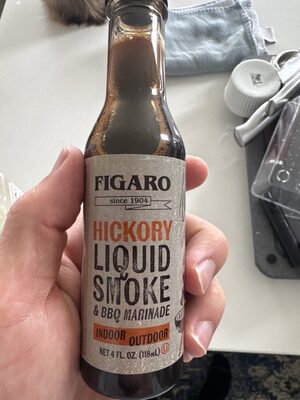 The Figaro Company, Inc.
Hickory Liquid Smoke And Barbeque Marinade, Hickory Liquid Smoke
33kcal
0Protein
0Fat
6.7Carbs
The Figaro Company, Inc.
Hickory Liquid Smoke And Barbeque Marinade, Hickory Liquid Smoke
33kcal
0Protein
0Fat
6.7Carbs
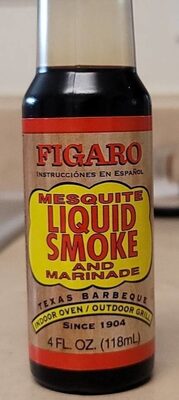 The Figaro Company, Inc.
Mesquite Liquid Smoke And Texas Barbeque Marinade, Mesquite Liquid Smoke
0kcal
0Protein
0Fat
0Carbs
Supervalu, Inc.
Shop 'N Save, Brown Gravy Mix
333kcal
16.7Protein
0Fat
66.7Carbs
Schnuck Markets, Inc.
Mesquite Liquid Smoke Seasoning & Marinade, Mesquite
33kcal
0Protein
0Fat
0Carbs
Vigo Importing Company
Chicken Flavored Rice Pilaf With Toasted Orzo, Chicken With Toasted Orzo
High in sodium — 24% DV per serving
339kcal
10.7Protein
0Fat
73.2Carbs
Zatarain's Inc.
Chicken Long Grain White Rice With Natural Chicken Flavor, Onions And Bell Peppers Rice Mix Side Dish, Chicken
High in sodium — 23% DV per serving
356kcal
8.5Protein
0.8Fat
76.3Carbs
Schnuck Markets, Inc.
Hickory Liquid Smoke Seasoning & Marinade, Hickory
33kcal
0Protein
0Fat
6.7Carbs
The Figaro Company, Inc.
Mesquite Liquid Smoke And Texas Barbeque Marinade, Mesquite Liquid Smoke
0kcal
0Protein
0Fat
0Carbs
Supervalu, Inc.
Shop 'N Save, Brown Gravy Mix
333kcal
16.7Protein
0Fat
66.7Carbs
Schnuck Markets, Inc.
Mesquite Liquid Smoke Seasoning & Marinade, Mesquite
33kcal
0Protein
0Fat
0Carbs
Vigo Importing Company
Chicken Flavored Rice Pilaf With Toasted Orzo, Chicken With Toasted Orzo
High in sodium — 24% DV per serving
339kcal
10.7Protein
0Fat
73.2Carbs
Zatarain's Inc.
Chicken Long Grain White Rice With Natural Chicken Flavor, Onions And Bell Peppers Rice Mix Side Dish, Chicken
High in sodium — 23% DV per serving
356kcal
8.5Protein
0.8Fat
76.3Carbs
Schnuck Markets, Inc.
Hickory Liquid Smoke Seasoning & Marinade, Hickory
33kcal
0Protein
0Fat
6.7Carbs
Learn more
Auto-generated content. This description was generated automatically and is pending editorial review. Inaccuracies are possible. Found a mistake? Contact us.