Hydrolyzed Soy/corn/wheat Protein
Auto-generated content. This description was generated automatically and is pending editorial review. Inaccuracies are possible. Found a mistake? Contact us.
What it is
Hydrolyzed proteins are made by breaking down proteins from sources like soy, corn, or wheat into smaller pieces called amino acids. This process, called hydrolysis, uses water and sometimes enzymes or acids. It changes the protein's properties, often making it more soluble and creating a savory flavor.
Why it's used
Manufacturers use hydrolyzed proteins to add a savory, umami flavor to foods, acting as a flavor enhancer. They are commonly found in processed meats, snack seasonings, soups, sauces, and ready-to-eat meals to boost their taste profile.
Health notes
Hydrolyzed soy, corn, and wheat proteins are generally recognized as safe (GRAS) by the FDA when used as flavoring. The Joint FAO/WHO Expert Committee on Food Additives (JECFA) has evaluated similar hydrolyzed vegetable proteins. While generally considered safe, some individuals may react to specific components if they have allergies to the original source ingredients.
Allergen info
Hydrolyzed soy protein is derived from soy, a major allergen. Hydrolyzed wheat protein is derived from wheat, another major allergen, and contains gluten. Hydrolyzed corn protein is not derived from a major allergen.
Products containing Hydrolyzed Soy/corn/wheat Protein
Compare products →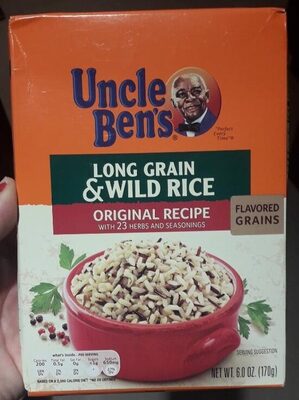 Uncle Ben's Inc.
Original Recipe Long Grain & Wild Rice
High in sodium — 28% DV per serving
351kcal
10.5Protein
0.9Fat
73.7Carbs
Uncle Ben's Inc.
Original Recipe Long Grain & Wild Rice
High in sodium — 28% DV per serving
351kcal
10.5Protein
0.9Fat
73.7Carbs