Imitation Almond Extract
Auto-generated content. This description was generated automatically and is pending editorial review. Inaccuracies are possible. Found a mistake? Contact us.
What it is
Imitation almond extract is a flavoring agent made to mimic the taste of natural almond extract. It is typically produced using synthetic chemicals, most commonly benzaldehyde, which can be derived from petroleum or other sources. It is used when a strong almond flavor is desired at a lower cost than natural almond extract.
Why it's used
Manufacturers add imitation almond extract to provide a distinct almond flavor in a variety of baked goods and desserts. Its potent flavor makes it useful in products like cakes, cookies, pastries, and ice cream, where it can enhance the overall taste profile.
Health notes
In the US, imitation almond extract is generally recognized as safe (GRAS) by the FDA when used as a flavoring. Benzaldehyde, the primary component, has been evaluated by international bodies like JECFA. While generally considered safe at typical consumption levels, some individuals may experience sensitivities. Evidence regarding long-term effects at high doses is limited.
Allergen info
Imitation almond extract is not derived from tree nuts and is not considered a major allergen. It does not contain gluten.
Products containing Imitation Almond Extract
Compare products →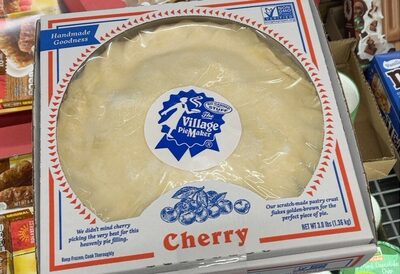 Hugo VPM, LLC
Cherry Pie, Cherry
High in saturated fat — 35% DV per serving
High in added sugars — 42% DV per serving
239kcal
2.2Protein
10.1Fat
36.2Carbs
Hugo VPM, LLC
Cherry Pie, Cherry
High in saturated fat — 30% DV per serving
High in added sugars — 34% DV per serving
235kcal
1.7Protein
9.6Fat
36.5Carbs
SureGreen Mulch, LLC
White Velvet Sugar Cookie, White Velvet
High in saturated fat — 49% DV per serving
High in added sugars — 46% DV per serving
252kcal
4.7Protein
13.3Fat
29.7Carbs
Hugo VPM, LLC
Cherry Pie, Cherry
High in saturated fat — 35% DV per serving
High in added sugars — 42% DV per serving
239kcal
2.2Protein
10.1Fat
36.2Carbs
Hugo VPM, LLC
Cherry Pie, Cherry
High in saturated fat — 30% DV per serving
High in added sugars — 34% DV per serving
235kcal
1.7Protein
9.6Fat
36.5Carbs
SureGreen Mulch, LLC
White Velvet Sugar Cookie, White Velvet
High in saturated fat — 49% DV per serving
High in added sugars — 46% DV per serving
252kcal
4.7Protein
13.3Fat
29.7Carbs