In A Pork Casing
This entry is a label phrase. See the main ingredient page: Pork Casing.
What is In A Pork Casing?
A pork casing is the cleaned intestine of a pig, used as a natural casing for sausages and hot dogs. The casing is typically removed before consumption, though some traditional sausages may have casings that are meant to be eaten.
Is In A Pork Casing vegan?
No. In A Pork Casing is animal-derived, so it is not vegan.
Is In A Pork Casing gluten-free?
Gluten is not present.
Is In A Pork Casing a major allergen?
Pork is not one of the 9 FDA major allergens.
What is In A Pork Casing used for?
Pork casings are used to hold the meat mixture together during the cooking process for sausages and hot dogs.
Is In A Pork Casing safe?
Pork casings are generally recognized as safe (GRAS) by the FDA when used for their intended purpose.
Why it's used
Pork casings are used to hold the meat mixture together during the cooking process for sausages and hot dogs. They provide a traditional texture and appearance, allowing the product to be linked and handled easily.
Health notes
Pork casings are generally recognized as safe (GRAS) by the FDA when used for their intended purpose. They are primarily a structural component and do not typically contribute significant nutritional value or pose health risks at typical consumption levels. International bodies like JECFA have evaluated food ingredients, but specific evaluations for pork casings as a distinct ingredient are not widely published.
Allergen info
Pork is not one of the 9 FDA major allergens. Gluten is not present.
Foods that contain In A Pork Casing
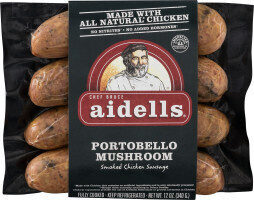
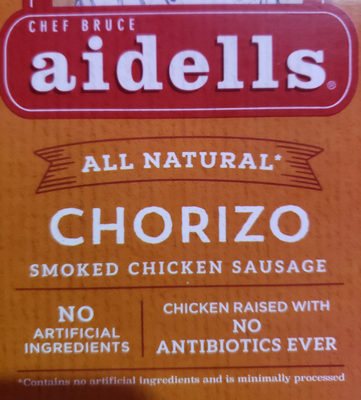
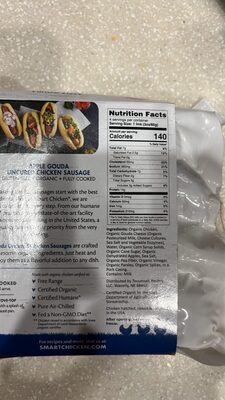
Compare products →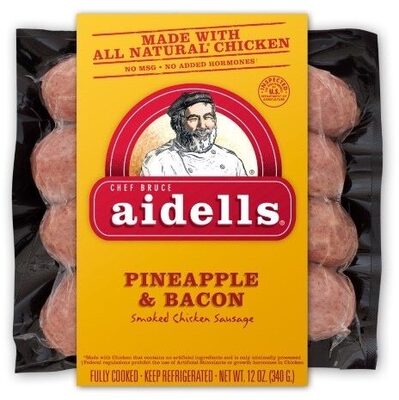
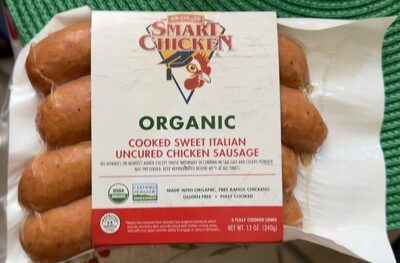
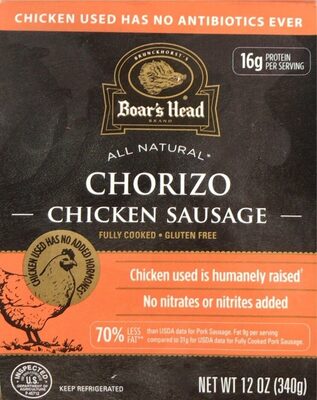
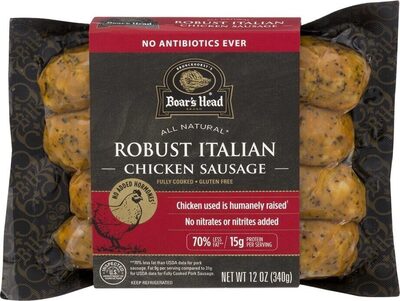
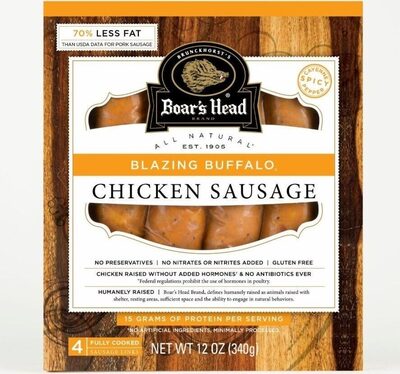

Auto-generated content. This description was generated automatically and is pending editorial review. Inaccuracies are possible. Found a mistake? Contact us.