In A Sheep Casing
This entry is a label phrase. See the main ingredient page: Sheep Casing.
What is In A Sheep Casing?
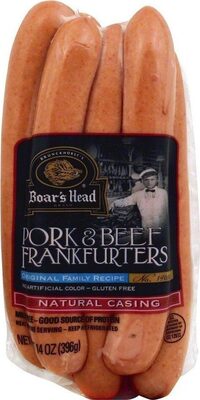
This refers to the outer skin of a sausage or hot dog, which is made from the cleaned intestines of sheep. The casing holds the meat mixture together during cooking and gives the product its characteristic shape and 'snap'. Natural casings are permeable, allowing moisture and smoke to penetrate.
Is In A Sheep Casing vegan?
No. In A Sheep Casing is animal-derived, so it is not vegan.
Is In A Sheep Casing a major allergen?
Not a major allergen.
What is In A Sheep Casing used for?
Sheep casings are used primarily for sausages, hot dogs, and bratwurst.
Is In A Sheep Casing safe?
Sheep casings are a traditional food ingredient and are generally recognized as safe by the FDA.
Why it's used
Sheep casings are used primarily for sausages, hot dogs, and bratwurst. They provide a natural, edible barrier that contains the ground meat filling and helps the product cook evenly. Their natural origin and texture are often highlighted as a desirable quality by manufacturers.
Health notes
Sheep casings are a traditional food ingredient and are generally recognized as safe by the FDA. They are a natural product with no artificial additives. No specific health concerns are associated with their consumption in typical amounts. Regulatory bodies like JECFA and EFSA have not specifically evaluated sheep casings as a distinct food additive.
Allergen info
Not a major allergen.
Foods that contain In A Sheep Casing
Compare products →
Auto-generated content. This description was generated automatically and is pending editorial review. Inaccuracies are possible. Found a mistake? Contact us.