Inactive Dried Yeast
What is Inactive Dried Yeast?
Inactive dried yeast is a deactivated form of *Saccharomyces cerevisiae*, the same species used in baking and brewing. It is produced by drying yeast cells that have been grown in a nutrient-rich medium. The drying process kills the yeast, rendering it inactive and unable to ferment.
Is Inactive Dried Yeast vegan?
Inactive Dried Yeast is not animal-derived. Products that contain it can still include other animal-derived ingredients, so check the full ingredient list.
Is Inactive Dried Yeast gluten-free?
It does not contain gluten.
Is Inactive Dried Yeast a major allergen?
Inactive dried yeast is not derived from any of the 9 FDA major allergens.
What is Inactive Dried Yeast used for?
Inactive dried yeast is used as a flavor enhancer, adding a savory, umami, or cheesy taste to foods.
Is Inactive Dried Yeast safe?
Inactive dried yeast is generally recognized as safe (GRAS) by the FDA for use in food.
Why it's used
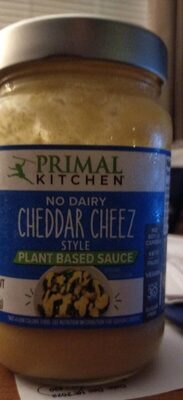
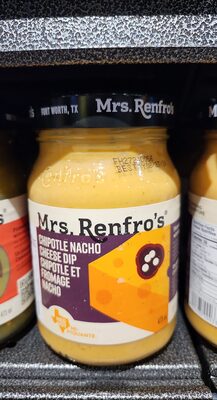
Inactive dried yeast is used as a flavor enhancer, adding a savory, umami, or cheesy taste to foods. It can also act as a source of B vitamins. It is commonly found in seasonings, sauces, soups, snack foods, and vegan cheese alternatives.
Health notes
Inactive dried yeast is generally recognized as safe (GRAS) by the FDA for use in food. It is a good source of protein and B vitamins, including thiamin, riboflavin, niacin, and folate. JECFA has evaluated inactive dried yeast and did not specify an ADI. No significant health concerns are associated with its consumption at typical dietary levels.
Allergen info
Inactive dried yeast is not derived from any of the 9 FDA major allergens. It does not contain gluten.
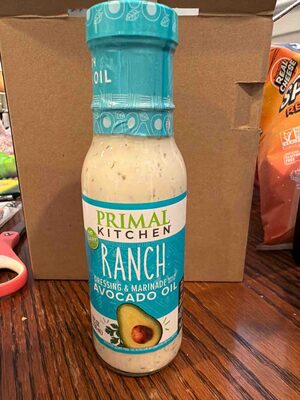
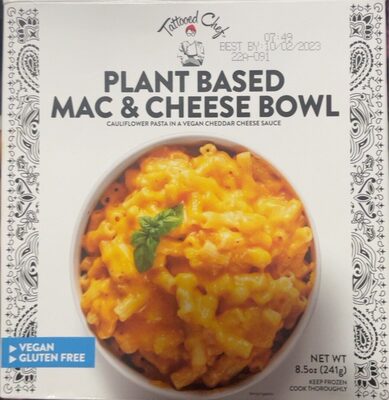
Foods that contain Inactive Dried Yeast
Compare products →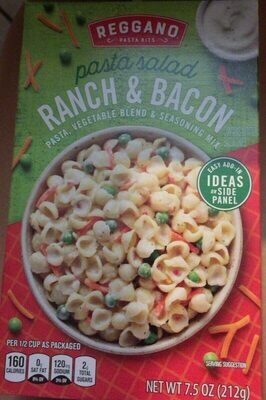
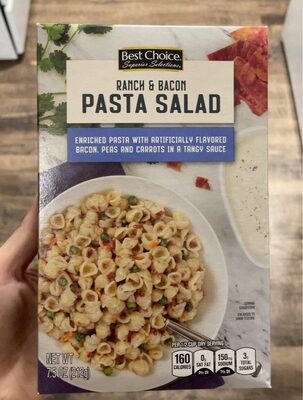

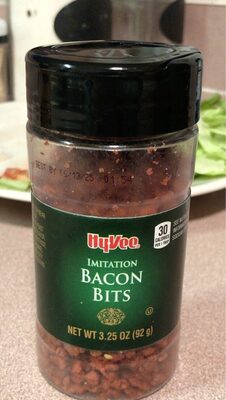
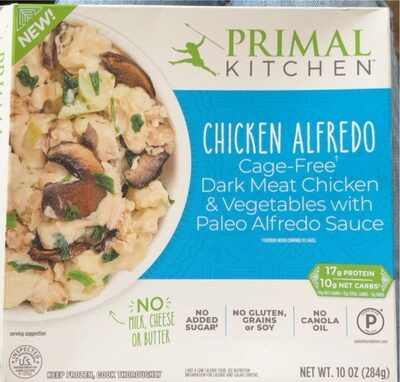
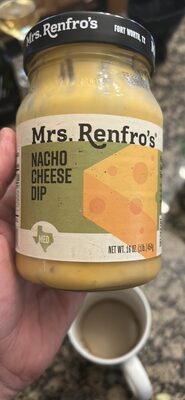
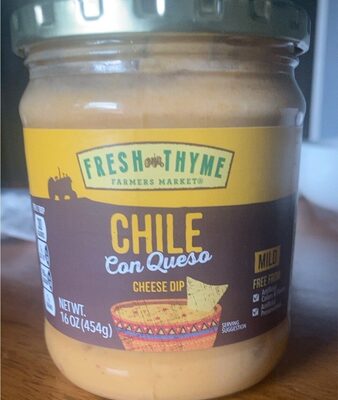
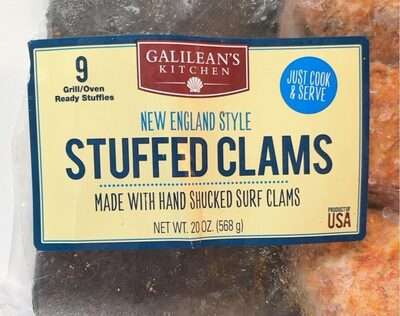
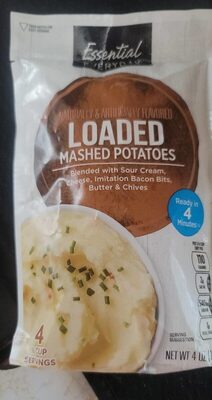

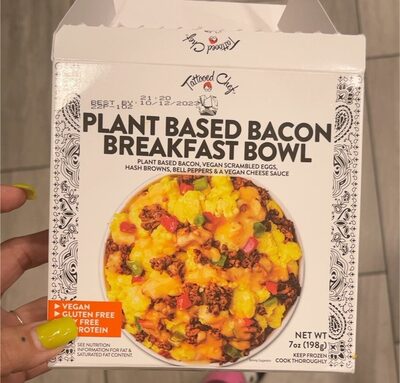
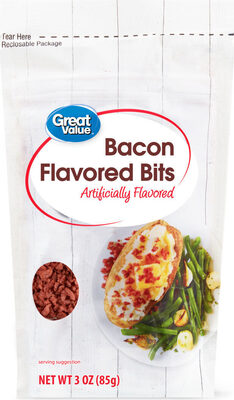
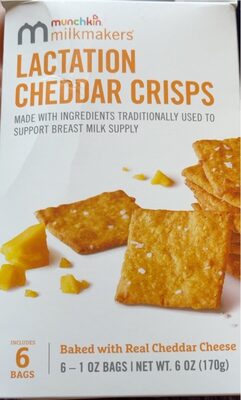
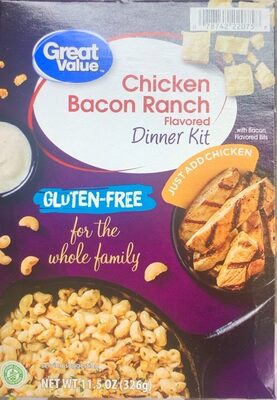
Learn more
Auto-generated content. This description was generated automatically and is pending editorial review. Inaccuracies are possible. Found a mistake? Contact us.