Including Artificial Smoke Flavor
Auto-generated content. This description was generated automatically and is pending editorial review. Inaccuracies are possible. Found a mistake? Contact us.
What it is
Artificial smoke flavor is a liquid or powder made by heating wood in the absence of air. This process, called pyrolysis, creates a smoke that is then condensed and purified. The resulting product captures the aroma and taste of wood smoke without the need for actual combustion in the final food product.
Why it's used
Manufacturers use artificial smoke flavor to impart a smoky taste to foods that are not actually smoked. It is a cost-effective and consistent way to achieve a smoky profile. This ingredient is commonly found in processed meats like ham and bacon, as well as in snacks, sauces, and some canned or dried goods.
Health notes
Artificial smoke flavors are generally recognized as safe (GRAS) by the FDA for use in food. Regulatory bodies like the FDA and EFSA have evaluated smoke flavorings, and they are permitted for use in many countries. While some studies have raised questions about certain compounds found in smoke, the levels present in artificial smoke flavorings used in food are considered safe at typical consumption levels.
Allergen info
Artificial smoke flavor is not derived from any of the nine FDA major allergens. It does not contain gluten.
Products containing Including Artificial Smoke Flavor
Compare products →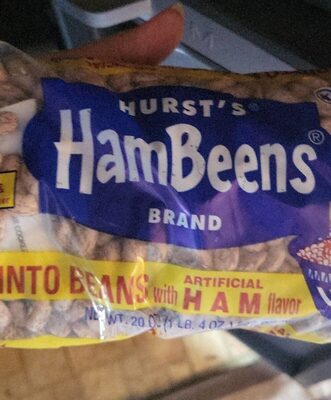 N.K. Hurst Company
Pinto Beans, Ham
343kcal
22.9Protein
1.4Fat
62.9Carbs
N.K. Hurst Company
Green Split Peas With Artificial Ham Flavor
343kcal
25.7Protein
1.4Fat
60Carbs
N.K. Hurst Company
Pinto Beans, Ham
343kcal
22.9Protein
1.4Fat
62.9Carbs
N.K. Hurst Company
Green Split Peas With Artificial Ham Flavor
343kcal
25.7Protein
1.4Fat
60Carbs
 N.K. Hurst Company
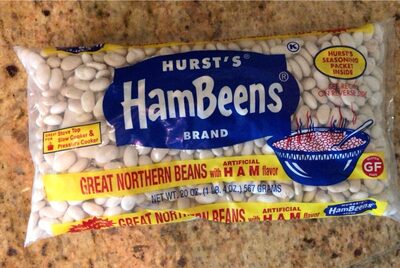
Great Northern Beans With Ham, Ham
343kcal
22.9Protein
0Fat
62.9Carbs
N.K. Hurst Company
Hurst's Hampeas Green Split Peas, 20 Oz, Ham
343kcal
22.9Protein
0Fat
62.9Carbs
N.K. Hurst Company
Great Northern Beans With Ham, Ham
343kcal
22.9Protein
0Fat
62.9Carbs
N.K. Hurst Company
Hurst's Hampeas Green Split Peas, 20 Oz, Ham
343kcal
22.9Protein
0Fat
62.9Carbs
 N.K. Hurst Company
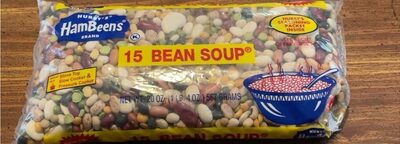
15 Bean Soup
343kcal
22.9Protein
1.4Fat
57.1Carbs
N.K. Hurst Company
15 Bean Soup
343kcal
22.9Protein
1.4Fat
57.1Carbs