Invert Cane Sugar
What is Invert Cane Sugar?
Invert cane sugar is a liquid sweetener made from cane sugar. It is produced by breaking down sucrose into its component simple sugars, glucose and fructose. This process, called inversion, can be done using heat and acid or enzymes.
Is Invert Cane Sugar vegan?
Invert Cane Sugar is not animal-derived. Products that contain it can still include other animal-derived ingredients, so check the full ingredient list.
Is Invert Cane Sugar gluten-free?
It is derived from sugarcane and does not contain gluten.
Is Invert Cane Sugar a major allergen?
Not a major allergen.
What is Invert Cane Sugar used for?
Manufacturers add invert cane sugar to foods primarily as a sweetener.
Is Invert Cane Sugar safe?
Invert cane sugar is generally recognized as safe (GRAS) by the FDA.
Why it's used
Manufacturers add invert cane sugar to foods primarily as a sweetener. It is sweeter than sucrose and helps retain moisture, giving baked goods a softer texture and longer shelf life. It is commonly found in baked goods, confectionery, and beverages.
Health notes
Invert cane sugar is generally recognized as safe (GRAS) by the FDA. Like other sugars, it provides calories and can contribute to increased blood sugar levels. The Joint FAO/WHO Expert Committee on Food Additives (JECFA) has evaluated invert sugar and established an acceptable daily intake. Evidence does not suggest adverse health effects from typical consumption.
Allergen info
Not a major allergen. It is derived from sugarcane and does not contain gluten.
Foods that contain Invert Cane Sugar
Compare products →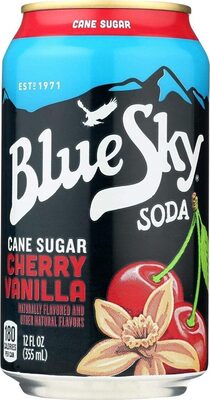
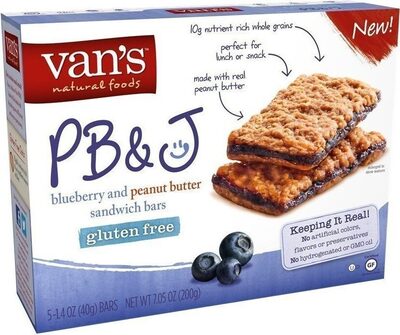
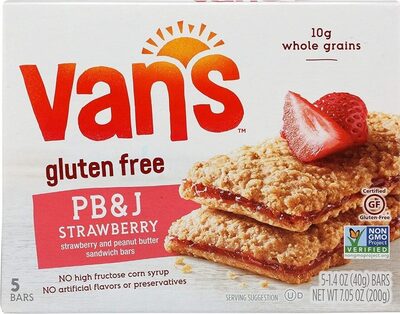

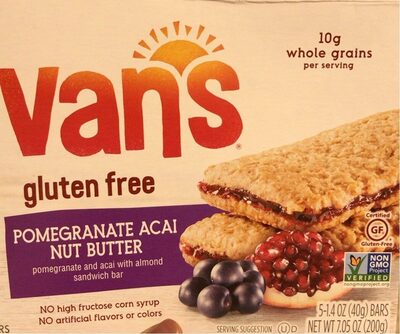
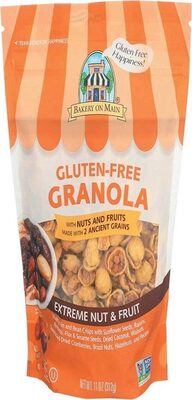
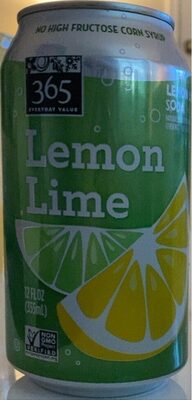
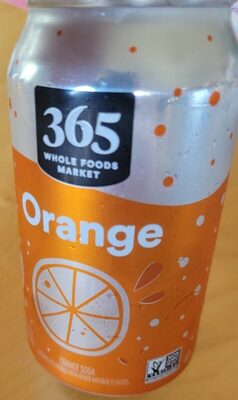
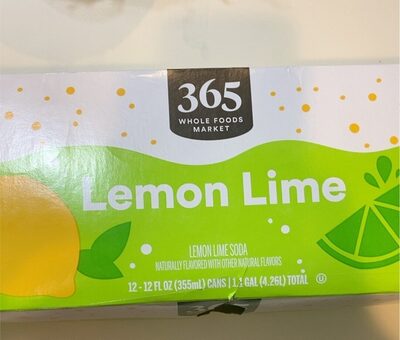
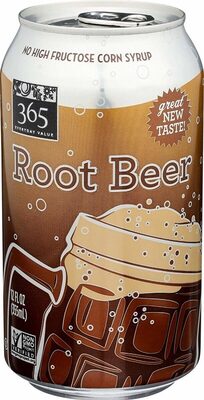
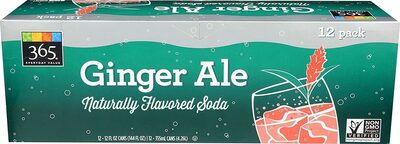
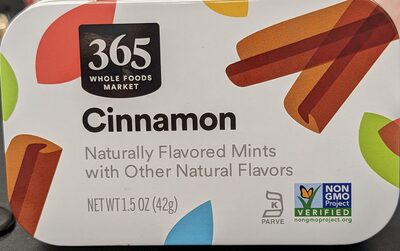
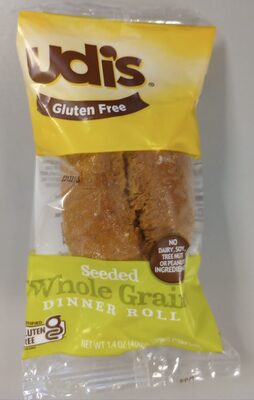
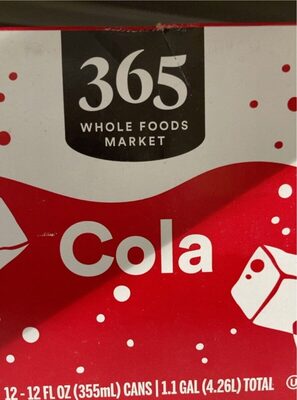 365 Whole Foods Market
Cola
High in added sugars — 74% DV per serving
42kcal
0Protein
0Fat
10.4Carbs

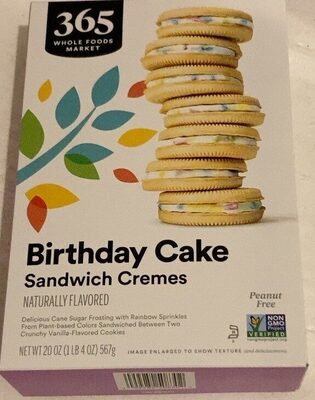


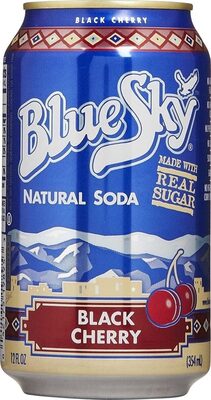
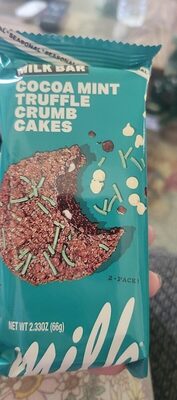
Learn more
Auto-generated content. This description was generated automatically and is pending editorial review. Inaccuracies are possible. Found a mistake? Contact us.