Italian Dry Salame: Pork
What is Italian Dry Salame: Pork?
Pork is the meat from domesticated pigs (Sus scrofa domesticus). It is a widely consumed protein source, prepared through various methods such as butchering, curing, and cooking. In products like Italian dry salame, pork is typically ground, seasoned, and fermented or cured.
Is Italian Dry Salame: Pork vegan?
No. Italian Dry Salame: Pork is animal-derived, so it is not vegan.
Is Italian Dry Salame: Pork gluten-free?
Pork is not considered one of the nine major food allergens identified by the FDA, nor does it contain gluten.
What is Italian Dry Salame: Pork used for?
Manufacturers use pork as a primary protein source, contributing flavor, texture, and structure to many food products.
Is Italian Dry Salame: Pork safe?
Pork is a whole food regulated by the US Department of Agriculture (USDA) for safety and labeling.
Why it's used
Manufacturers use pork as a primary protein source, contributing flavor, texture, and structure to many food products. It is a key ingredient in sausages, bacon, ham, roasts, and cured meats like salami, where it forms the bulk of the product.
Health notes
Pork is a whole food regulated by the US Department of Agriculture (USDA) for safety and labeling. As a protein source, it provides essential nutrients. The Dietary Guidelines for Americans (2025-2030) recommend choosing lean meats and limiting processed meats. The International Agency for Research on Cancer (IARC) classifies processed meat, which includes products like salami made from pork, as carcinogenic to humans (Group 1).
Allergen info
Pork is not considered one of the nine major food allergens identified by the FDA, nor does it contain gluten.
Foods that contain Italian Dry Salame: Pork
Compare products →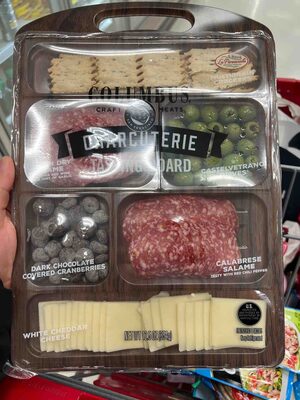 Columbus Charcuterie Tasting Board, 12.5 Oz
286kcal
25Protein
17.9Fat
7.1Carbs
Columbus Charcuterie Tasting Board, 12.5 Oz
286kcal
25Protein
17.9Fat
7.1Carbs
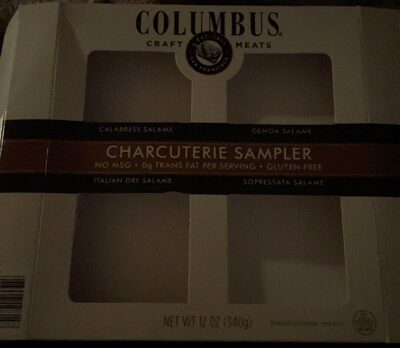 Columbus Manufacturing, Inc.
Columbus Charcuterie Sampler, 12 Oz
High in sodium — 20% DV per serving
321kcal
21.4Protein
21.4Fat
7.1Carbs
The Hillshire Brands Company
Galileo, Italian Dry Salame With Gouda Cheese & Toasted Rounds
High in sodium — 68% DV per serving
High in saturated fat — 50% DV per serving
High in cholesterol — 22% DV per serving
363kcal
18.7Protein
23.1Fat
18.7Carbs
Columbus Manufacturing, Inc.
Columbus Charcuterie Sampler, 12 Oz
High in sodium — 20% DV per serving
321kcal
21.4Protein
21.4Fat
7.1Carbs
The Hillshire Brands Company
Galileo, Italian Dry Salame With Gouda Cheese & Toasted Rounds
High in sodium — 68% DV per serving
High in saturated fat — 50% DV per serving
High in cholesterol — 22% DV per serving
363kcal
18.7Protein
23.1Fat
18.7Carbs
Learn more
Auto-generated content. This description was generated automatically and is pending editorial review. Inaccuracies are possible. Found a mistake? Contact us.