Jack Bean
What is Jack Bean?
Jack bean (Canavalia ensiformis) is a large, flat bean that grows on a vine. It is native to tropical Africa but is now cultivated in many tropical and subtropical regions around the world. The beans are typically harvested when mature and can be dried for storage or used fresh.
Is Jack Bean vegan?
Jack Bean is not animal-derived. Products that contain it can still include other animal-derived ingredients, so check the full ingredient list.
Is Jack Bean gluten-free?
They do not contain gluten.
Is Jack Bean a major allergen?
Jack beans are legumes, but they are not one of the nine FDA major allergens.
What is Jack Bean used for?
Jack beans are sometimes used as a vegetable, particularly in Asian cuisines, where they can be stir-fried, boiled, or added to soups.
Is Jack Bean safe?
Jack beans are a food ingredient and have not been specifically evaluated by the FDA as a food additive.
Why it's used
Jack beans are sometimes used as a vegetable, particularly in Asian cuisines, where they can be stir-fried, boiled, or added to soups. In processed foods, they might be used as a source of plant-based protein or fiber, though they are not a common ingredient in most US packaged foods.
Health notes
Jack beans are a food ingredient and have not been specifically evaluated by the FDA as a food additive. They are a source of protein, fiber, and various micronutrients. As with most legumes, they contain compounds like lectins and phytates, which can interfere with nutrient absorption, but these are generally reduced by proper cooking methods. There are no widespread health concerns associated with the consumption of cooked jack beans in typical amounts.
Allergen info
Jack beans are legumes, but they are not one of the nine FDA major allergens. They do not contain gluten.
Foods that contain Jack Bean
Compare products →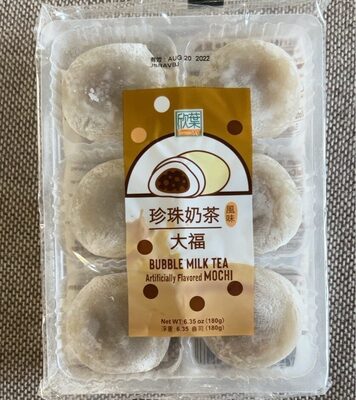 Khong Guan Corporation
Bubble Milk Tea Flavored Mochi, Bubble Milk Tea
High in added sugars — 26% DV per serving
300kcal
3.3Protein
0Fat
0.1Carbs
Khong Guan Corporation
Bubble Milk Tea Flavored Mochi, Bubble Milk Tea
High in added sugars — 26% DV per serving
300kcal
3.3Protein
0Fat
0.1Carbs
 Advantage Sales & Marketing, LLC
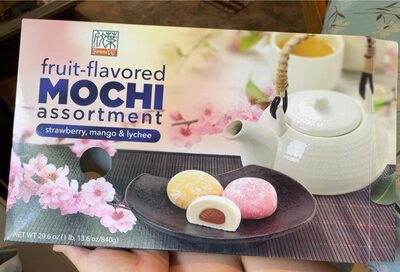
Mochi Strawberry, Mango & Lychee Fruit-Flavored Assortment, Mochi
High in added sugars — 28% DV per serving
300kcal
0Protein
2.9Fat
68.6Carbs
Khong Guan Corporation
Lychee Imperial Mochi, Lychee
High in added sugars — 26% DV per serving
267kcal
3.3Protein
0Fat
66.7Carbs
Advantage Sales & Marketing, LLC
Mochi Strawberry, Mango & Lychee Fruit-Flavored Assortment, Mochi
High in added sugars — 28% DV per serving
300kcal
0Protein
2.9Fat
68.6Carbs
Khong Guan Corporation
Lychee Imperial Mochi, Lychee
High in added sugars — 26% DV per serving
267kcal
3.3Protein
0Fat
66.7Carbs
Learn more
Auto-generated content. This description was generated automatically and is pending editorial review. Inaccuracies are possible. Found a mistake? Contact us.