Japanese Bread Crumbs
What is Japanese Bread Crumbs?
Japanese bread crumbs, called panko, are a type of coarse, flaky bread crumb. They are made from white bread baked in a special process using electric current to toast the bread, then ground into flakes. This results in a lighter, crispier texture than traditional bread crumbs.
Is Japanese Bread Crumbs vegan?
Japanese Bread Crumbs is not animal-derived. Products that contain it can still include other animal-derived ingredients, so check the full ingredient list.
Is Japanese Bread Crumbs gluten-free?
It contains gluten.
Is Japanese Bread Crumbs a major allergen?
Panko is made from wheat, which is one of the 9 FDA major allergens.
What is Japanese Bread Crumbs used for?
Panko is used as a coating for fried or baked foods, providing a light and crispy texture.
Is Japanese Bread Crumbs safe?
Panko is a grain product and is generally recognized as safe by the FDA when used as food.
Why it's used
Panko is used as a coating for fried or baked foods, providing a light and crispy texture. Manufacturers add it to enhance the mouthfeel and appearance of products like breaded chicken, seafood, and vegetables. It is also found in some baked goods and as a topping for casseroles.
Health notes
Panko is a grain product and is generally recognized as safe by the FDA when used as food. It is not specifically evaluated by JECFA or EFSA as it is a food ingredient rather than a specific additive. As a carbohydrate source, its health implications are similar to other bread products.
Allergen info
Panko is made from wheat, which is one of the 9 FDA major allergens. It contains gluten.
Foods that contain Japanese Bread Crumbs
Compare products →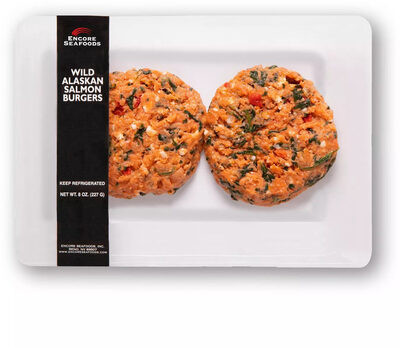 Encore Seafoods, Inc.
Wild Alaskan Salmon Burgers, Wild Alaskan Salmon
142kcal
16.8Protein
6.2Fat
3.5Carbs
Kraft Heinz Foods Company
Firecracker Fish Seasoned Coating Mix
357kcal
14.3Protein
0Fat
71.4Carbs
New Orleans Fish House, LLC
Emeril's, Classic Louisiana Crab Cakes
High in cholesterol — 22% DV per serving
188kcal
10.6Protein
7.1Fat
20Carbs
Haus Malts LLC
Wild Alaskan Sockeye Salmon Burgers With Bacon & Cheddar, Bacon & Cheddar
186kcal
18.6Protein
10.6Fat
3.5Carbs
Encore Seafoods, Inc.
Wild Alaskan Salmon Burgers, Wild Alaskan Salmon
142kcal
16.8Protein
6.2Fat
3.5Carbs
Kraft Heinz Foods Company
Firecracker Fish Seasoned Coating Mix
357kcal
14.3Protein
0Fat
71.4Carbs
New Orleans Fish House, LLC
Emeril's, Classic Louisiana Crab Cakes
High in cholesterol — 22% DV per serving
188kcal
10.6Protein
7.1Fat
20Carbs
Haus Malts LLC
Wild Alaskan Sockeye Salmon Burgers With Bacon & Cheddar, Bacon & Cheddar
186kcal
18.6Protein
10.6Fat
3.5Carbs
Learn more
Auto-generated content. This description was generated automatically and is pending editorial review. Inaccuracies are possible. Found a mistake? Contact us.