Jasmine Rice
What is Jasmine Rice?
Jasmine rice is a long-grain rice variety, originating from Southeast Asia, particularly Thailand. It is known for its distinct floral aroma and soft, slightly sticky texture when cooked. The rice is typically milled to remove the husk, bran, and germ, resulting in white rice.
Is Jasmine Rice vegan?
Jasmine Rice is not animal-derived. Products that contain it can still include other animal-derived ingredients, so check the full ingredient list.
Is Jasmine Rice gluten-free?
Rice is not one of the nine FDA major allergens and does not contain gluten.
Is Jasmine Rice a major allergen?
Not a major allergen.
What is Jasmine Rice used for?
Jasmine rice is commonly used as a staple grain in Asian cuisines and is found in various dishes like curries, stir-fries, and fried rice.
Is Jasmine Rice safe?
Jasmine rice is generally recognized as safe (GRAS) by the FDA for consumption.
Why it's used
Jasmine rice is commonly used as a staple grain in Asian cuisines and is found in various dishes like curries, stir-fries, and fried rice. Manufacturers use it as a base ingredient in prepared meals, side dishes, and rice mixes due to its appealing aroma and texture.
Health notes
Jasmine rice is generally recognized as safe (GRAS) by the FDA for consumption. It is a source of carbohydrates and provides some B vitamins and minerals. International bodies like JECFA have evaluated rice and its components. Evidence does not suggest adverse health effects from typical consumption.
Allergen info
Not a major allergen. Rice is not one of the nine FDA major allergens and does not contain gluten.
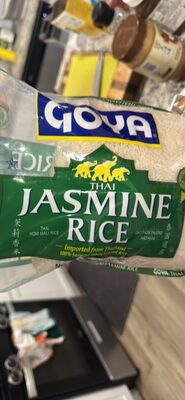
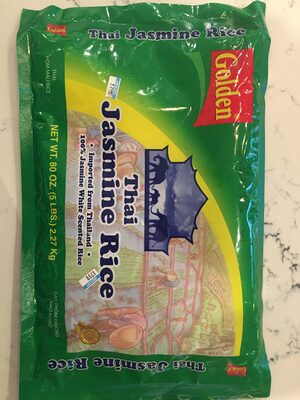
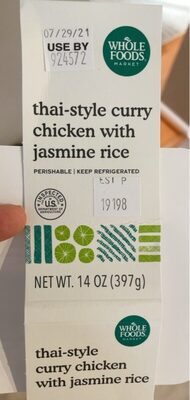
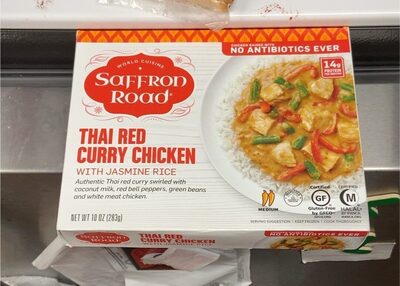
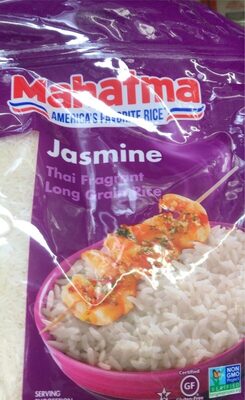
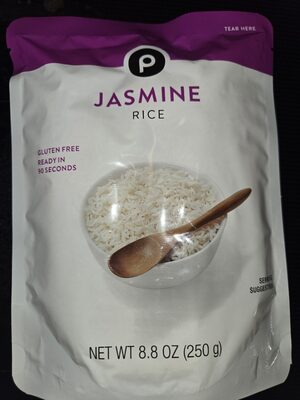
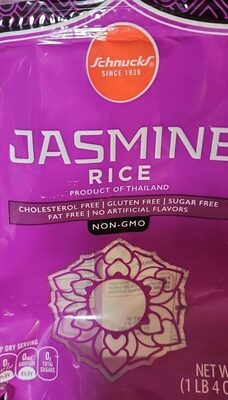
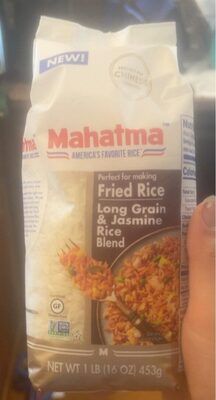
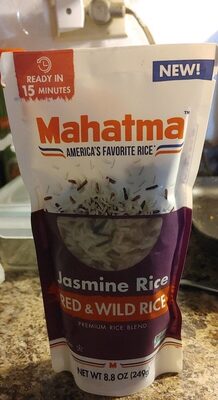
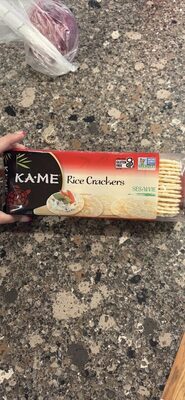
Foods that contain Jasmine Rice
Compare products →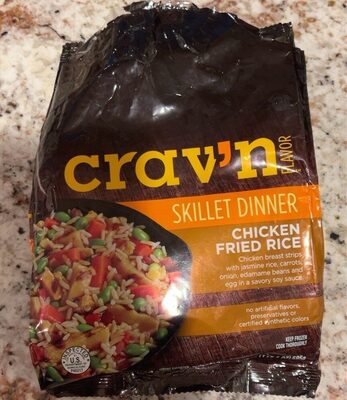
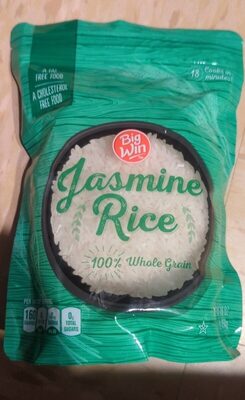
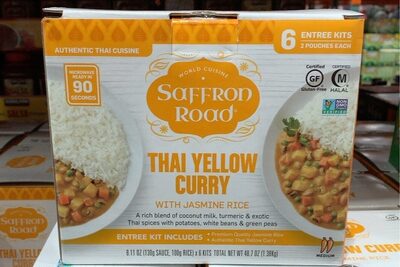
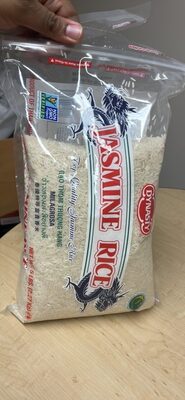

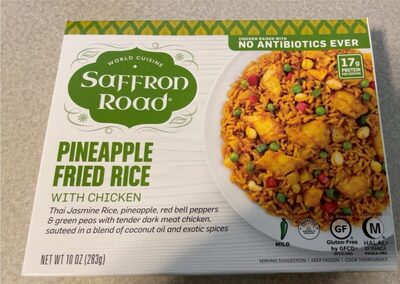

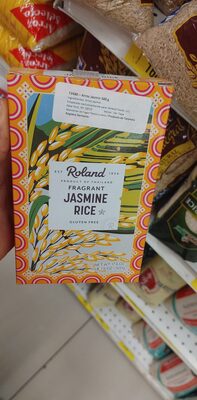
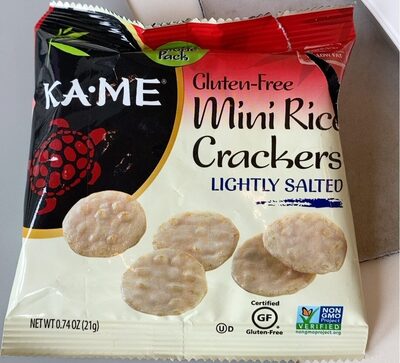
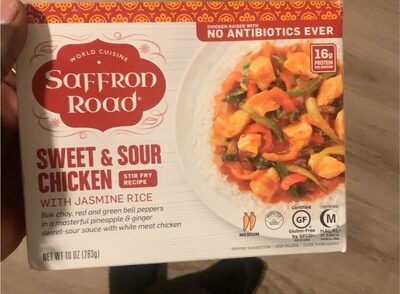
Learn more
Auto-generated content. This description was generated automatically and is pending editorial review. Inaccuracies are possible. Found a mistake? Contact us.