Kalamata Olives
What is Kalamata Olives?
Kalamata olives are a variety of olive native to Greece, specifically the Messenia region. They are known for their deep purple-black color and rich, fruity flavor. Olives are typically cured in brine or oil to make them edible and preserve them.
Is Kalamata Olives vegan?
Kalamata Olives is not animal-derived. Products that contain it can still include other animal-derived ingredients, so check the full ingredient list.
Is Kalamata Olives gluten-free?
They do not contain gluten.
Is Kalamata Olives a major allergen?
Olives are not one of the nine major allergens defined by the FDA.
What is Kalamata Olives used for?
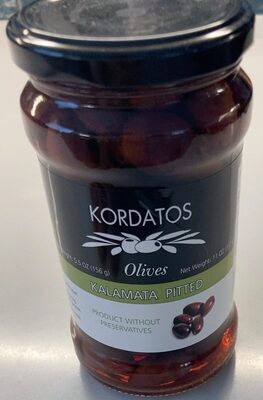
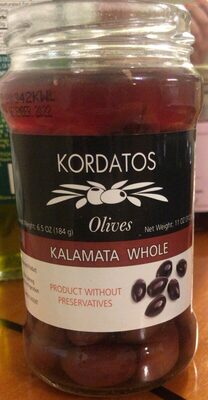
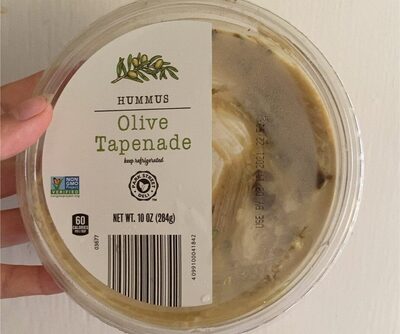
Kalamata olives are often used whole or pitted in salads, pasta dishes, and tapenades.
Is Kalamata Olives safe?
Kalamata olives are a source of healthy fats and antioxidants.
Why it's used
Kalamata olives are often used whole or pitted in salads, pasta dishes, and tapenades. They add a distinct salty and slightly bitter flavor to foods. Manufacturers use them as a key ingredient in Mediterranean-inspired dishes and spreads.
Health notes
Kalamata olives are a source of healthy fats and antioxidants. The FDA considers olives and olive products to be Generally Recognized As Safe (GRAS). International bodies like the WHO and EFSA have not raised concerns about their consumption at typical levels. No specific upper intake limits have been set by these organizations.
Allergen info
Olives are not one of the nine major allergens defined by the FDA. They do not contain gluten.
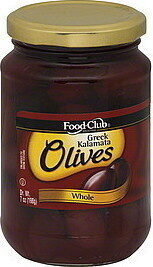
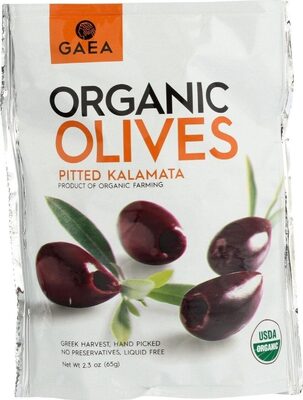
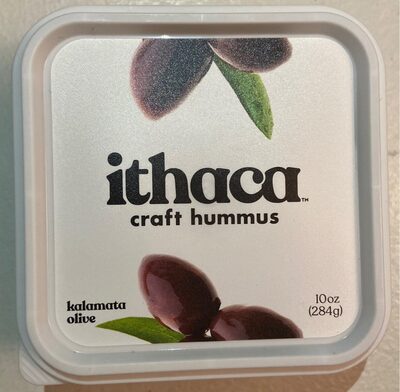
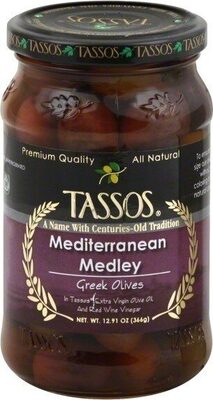
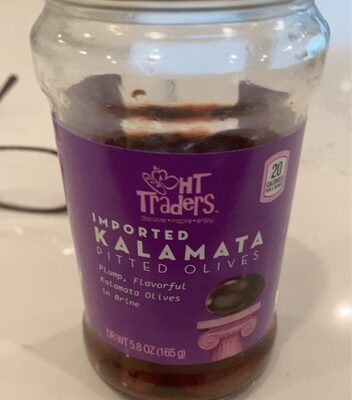
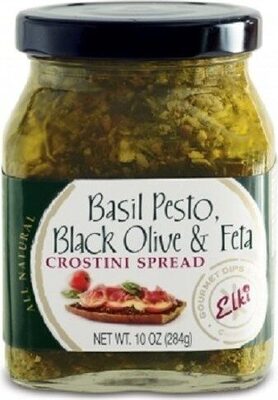
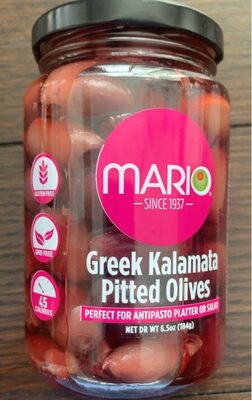
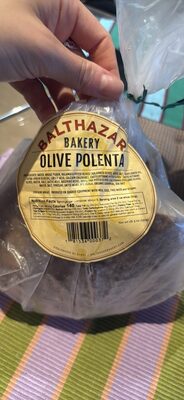
Foods that contain Kalamata Olives
Compare products →







Auto-generated content. This description was generated automatically and is pending editorial review. Inaccuracies are possible. Found a mistake? Contact us.