Kalamata
What is Kalamata?
Kalamata is a type of olive, specifically a dark purple variety that grows in the Messenia region of Greece. Olives are the fruit of the olive tree. Kalamata olives are typically hand-picked when ripe and often cured in brine or oil.
Is Kalamata vegan?
Kalamata is not animal-derived. Products that contain it can still include other animal-derived ingredients, so check the full ingredient list.
Is Kalamata gluten-free?
They do not contain gluten.
Is Kalamata a major allergen?
Olives are not one of the nine major allergens recognized by the FDA.
What is Kalamata used for?
Kalamata olives are prized for their rich, fruity flavor and smooth texture.
Is Kalamata safe?
Kalamata olives are a source of healthy monounsaturated fats and antioxidants.
Why it's used
Kalamata olives are prized for their rich, fruity flavor and smooth texture. They are commonly eaten whole, pitted, or sliced as a table olive, used in salads, pasta dishes, and as a pizza topping. They can also be used to make tapenades and other spreads.
Health notes
Kalamata olives are a source of healthy monounsaturated fats and antioxidants. They contain vitamins and minerals like vitamin E and iron. The FDA considers olives to be generally recognized as safe (GRAS). JECFA has evaluated olives and their components, but did not set a numeric acceptable daily intake (ADI) for the whole food.
Allergen info
Olives are not one of the nine major allergens recognized by the FDA. They do not contain gluten.
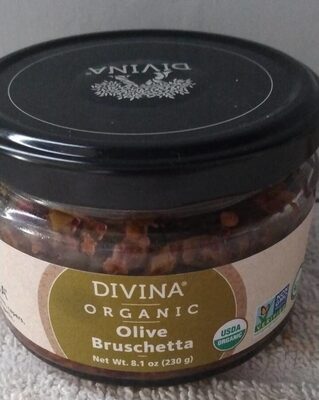
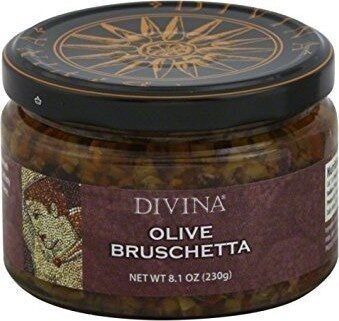
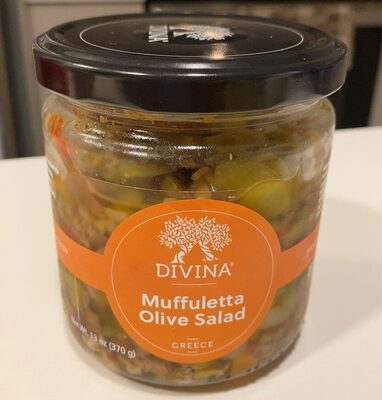
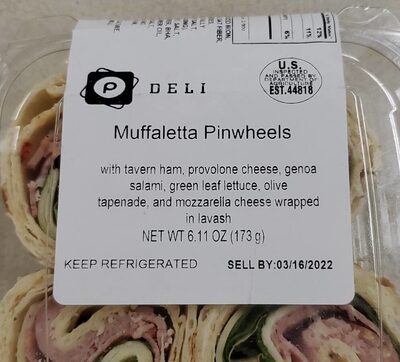
Foods that contain Kalamata
Compare products →

Auto-generated content. This description was generated automatically and is pending editorial review. Inaccuracies are possible. Found a mistake? Contact us.