Kombucha Tea
What is Kombucha Tea?
Kombucha is a fermented tea beverage made from a SCOBY (symbiotic culture of bacteria and yeast). The SCOBY consumes sugar and tea to produce acids, gases, and a small amount of alcohol. It is often flavored with fruits, spices, or other natural flavors.
Is Kombucha Tea vegan?
Kombucha Tea is not animal-derived. Products that contain it can still include other animal-derived ingredients, so check the full ingredient list.
Is Kombucha Tea gluten-free?
It is typically gluten-free, though cross-contamination can occur during processing.
Is Kombucha Tea a major allergen?
Kombucha is not derived from any of the 9 FDA major allergens.
What is Kombucha Tea used for?
Kombucha is primarily used as a beverage.
Is Kombucha Tea safe?
Kombucha is generally recognized as safe (GRAS) by the FDA for its intended use as a food ingredient.
Why it's used
Kombucha is primarily used as a beverage. Manufacturers add it to other drinks for its tangy, slightly sweet flavor and perceived health benefits. It is also sometimes used as a base for cocktails or mocktails.
Health notes
Kombucha is generally recognized as safe (GRAS) by the FDA for its intended use as a food ingredient. Some studies suggest potential benefits from probiotics and antioxidants, but more research is needed. Regulatory bodies like EFSA have not established specific limits for kombucha consumption. Due to its fermentation process, it contains trace amounts of alcohol, which may be a concern for some individuals.
Allergen info
Kombucha is not derived from any of the 9 FDA major allergens. It is typically gluten-free, though cross-contamination can occur during processing.
Foods that contain Kombucha Tea
Compare products →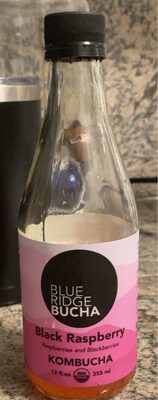
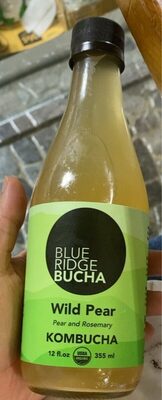
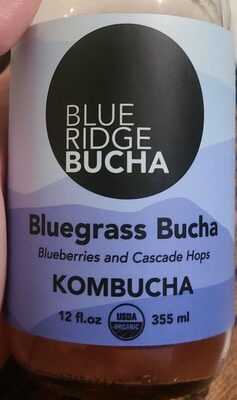
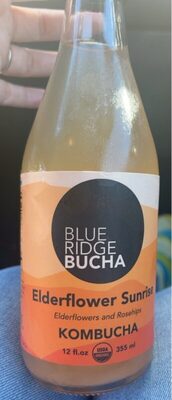
Auto-generated content. This description was generated automatically and is pending editorial review. Inaccuracies are possible. Found a mistake? Contact us.