Konjac And Xanthan Gums
What is Konjac And Xanthan Gums?
Konjac gum is a soluble fiber derived from the root of the konjac plant, native to Asia. Xanthan gum is a polysaccharide produced by the fermentation of sugar by a specific bacterium. Both are often used together in food products.
Is Konjac And Xanthan Gums vegan?
Konjac And Xanthan Gums is not animal-derived. Products that contain it can still include other animal-derived ingredients, so check the full ingredient list.
Is Konjac And Xanthan Gums gluten-free?
They do not contain gluten.
Is Konjac And Xanthan Gums a major allergen?
Neither konjac gum nor xanthan gum are derived from major allergens.
What is Konjac And Xanthan Gums used for?
These gums are primarily used as thickeners and stabilizers in foods.
Is Konjac And Xanthan Gums safe?
Both konjac and xanthan gums are generally recognized as safe (GRAS) by the FDA for use in food.
Why it's used
These gums are primarily used as thickeners and stabilizers in foods. They help improve texture and prevent ingredients from separating, especially in low-fat or vegan products. You can find them in items like dairy alternatives, dressings, sauces, and baked goods.
Health notes
Both konjac and xanthan gums are generally recognized as safe (GRAS) by the FDA for use in food. They are primarily dietary fibers that can contribute to feelings of fullness. Regulatory bodies like JECFA and EFSA have evaluated these gums and found them to be safe for consumption within typical dietary levels. Research has not shown significant adverse health effects from consuming these gums at levels found in food.
Allergen info
Neither konjac gum nor xanthan gum are derived from major allergens. They do not contain gluten.
Foods that contain Konjac And Xanthan Gums
Compare products →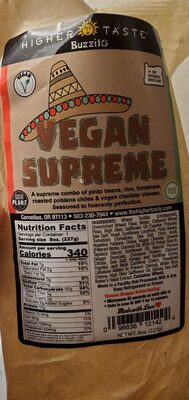

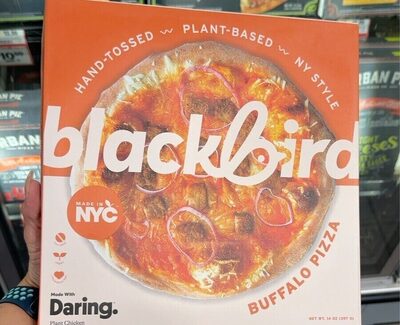
Learn more
Auto-generated content. This description was generated automatically and is pending editorial review. Inaccuracies are possible. Found a mistake? Contact us.