Konjac Root Flour
Auto-generated content. This description was generated automatically and is pending editorial review. Inaccuracies are possible. Found a mistake? Contact us.
What it is
Konjac root flour comes from the ground root of the konjac plant, native to Asia. The root is a source of glucomannan, a soluble dietary fiber. The flour is typically made by drying and grinding the konjac root.
Why it's used
Konjac root flour is primarily used as a thickener and gelling agent in foods. Its high viscosity and water-binding capacity make it useful in low-calorie products, desserts, and as a meat or fat substitute. It is often found in "healthy" snacks, noodles, and jellies.
Health notes
Konjac root flour is recognized as Generally Recognized As Safe (GRAS) by the FDA for use as a food ingredient. As a soluble fiber, it can contribute to feelings of fullness and may help with digestive regularity. International bodies like JECFA and EFSA have evaluated glucomannan, noting its fiber properties. Some studies suggest it may have a role in managing blood sugar and cholesterol levels, though more research is needed to confirm these effects.
Allergen info
Konjac root flour is not derived from any of the nine FDA major allergens. It is also gluten-free.
Products containing Konjac Root Flour
Compare products →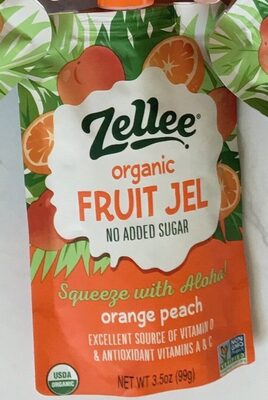 Zellee Organic LLC
Orange Peach Plant-Based Fruit Jel, Orange Peach
61kcal
0Protein
0Fat
15.2Carbs
Zellee Organic LLC
Apple Mango Plant-Based Fruit Jel, Apple Mango
61kcal
0Protein
0Fat
15.2Carbs
Zellee Organic LLC
Hawaiian Tropical Twist Plant-Based Sports Jel, Hawaiian Tropical Twist
62kcal
0Protein
0Fat
14.2Carbs
Zellee Organic LLC
Aloha Raspberry Lemonade Plant-Based Sports Jel, Aloha Raspberry Lemonade
62kcal
0Protein
0Fat
14.2Carbs
Zellee Organic LLC
Blueberry Grape Organic Plant-Based Fruit Jel, Blueberry Grape
61kcal
0Protein
0Fat
13.1Carbs
Zellee Organic LLC
Strawberry Pear Organic Plant-Based Fruit Jel, Strawberry Pear
61kcal
0Protein
0Fat
15.2Carbs
Zellee Organic LLC
Orange Peach Plant-Based Fruit Jel, Orange Peach
61kcal
0Protein
0Fat
15.2Carbs
Zellee Organic LLC
Apple Mango Plant-Based Fruit Jel, Apple Mango
61kcal
0Protein
0Fat
15.2Carbs
Zellee Organic LLC
Hawaiian Tropical Twist Plant-Based Sports Jel, Hawaiian Tropical Twist
62kcal
0Protein
0Fat
14.2Carbs
Zellee Organic LLC
Aloha Raspberry Lemonade Plant-Based Sports Jel, Aloha Raspberry Lemonade
62kcal
0Protein
0Fat
14.2Carbs
Zellee Organic LLC
Blueberry Grape Organic Plant-Based Fruit Jel, Blueberry Grape
61kcal
0Protein
0Fat
13.1Carbs
Zellee Organic LLC
Strawberry Pear Organic Plant-Based Fruit Jel, Strawberry Pear
61kcal
0Protein
0Fat
15.2Carbs