Krill
What is Krill?
Krill are small, shrimp-like crustaceans that live in the ocean, primarily in the Antarctic. They are harvested from the sea and often processed into oil or powder for use in food products.
Is Krill vegan?
No. Krill is animal-derived, so it is not vegan.
Is Krill a major allergen?
Krill is a shellfish and therefore a major allergen according to the FDA.
What is Krill used for?
Krill is used as a source of protein and omega-3 fatty acids, and can also add a seafood flavor to foods.
Is Krill safe?
Krill is generally recognized as safe (GRAS) by the FDA for use in food.
Why it's used
Krill is used as a source of protein and omega-3 fatty acids, and can also add a seafood flavor to foods. It is found in some soups, seafood dishes, and pet foods.
Health notes
Krill is generally recognized as safe (GRAS) by the FDA for use in food. It is a source of omega-3 fatty acids, which are beneficial for heart health. The Joint FAO/WHO Expert Committee on Food Additives (JECFA) has evaluated krill products, but has not set a specific acceptable daily intake (ADI) for krill itself.
Allergen info
Krill is a shellfish and therefore a major allergen according to the FDA. People with shellfish allergies should avoid krill.
Foods that contain Krill
Compare products →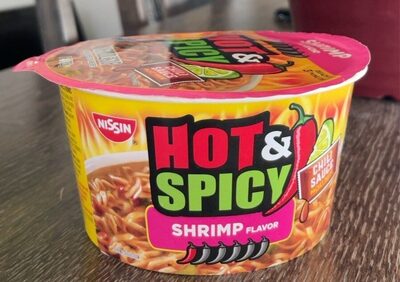 Nissin Foods USA Co Inc
Nissin, Bowl Noodles, Ramen Noodle Soup With Shrimp, Hot & Spicy, Hot & Spicy
High in sodium — 33% DV per serving
High in saturated fat — 25% DV per serving
478kcal
8.7Protein
26.1Fat
56.5Carbs
Pellegrino Food Products Co.
Nissin, Cup Noodles, Easy Fideos, Ramen Noodle Soup, Ramen Noodle Soup
High in sodium — 34% DV per serving
High in saturated fat — 20% DV per serving
471kcal
8.8Protein
23.5Fat
58.8Carbs
Nissin Foods USA Co Inc
Ramen Noodle Soup, Picante Lime Shrimp
High in sodium — 34% DV per serving
High in saturated fat — 20% DV per serving
471kcal
8.8Protein
23.5Fat
58.8Carbs
Nissin Foods USA Co Inc
Ramen Noodle Soup, Spicy Shrimp
High in sodium — 37% DV per serving
442kcal
9.3Protein
18.6Fat
62.8Carbs
Nissin Foods USA Co Inc
Nissin, Bowl Noodles, Ramen Noodle Soup With Shrimp, Hot & Spicy, Hot & Spicy
High in sodium — 33% DV per serving
High in saturated fat — 25% DV per serving
478kcal
8.7Protein
26.1Fat
56.5Carbs
Pellegrino Food Products Co.
Nissin, Cup Noodles, Easy Fideos, Ramen Noodle Soup, Ramen Noodle Soup
High in sodium — 34% DV per serving
High in saturated fat — 20% DV per serving
471kcal
8.8Protein
23.5Fat
58.8Carbs
Nissin Foods USA Co Inc
Ramen Noodle Soup, Picante Lime Shrimp
High in sodium — 34% DV per serving
High in saturated fat — 20% DV per serving
471kcal
8.8Protein
23.5Fat
58.8Carbs
Nissin Foods USA Co Inc
Ramen Noodle Soup, Spicy Shrimp
High in sodium — 37% DV per serving
442kcal
9.3Protein
18.6Fat
62.8Carbs
Learn more
Auto-generated content. This description was generated automatically and is pending editorial review. Inaccuracies are possible. Found a mistake? Contact us.