Lac-resin
What is Lac-resin?
Lac-resin, also known as shellac, is a natural resin secreted by the lac bug (Kerria lacca). It is harvested from tree branches in India and Thailand, then processed to remove insect bodies and debris. The purified resin is typically dissolved in alcohol and filtered before use.
Is Lac-resin vegan?
No. Lac-resin is animal-derived, so it is not vegan.
Is Lac-resin gluten-free?
It does not contain gluten.
Is Lac-resin a major allergen?
Lac-resin is not derived from any of the nine FDA major allergens.
What is Lac-resin used for?
Manufacturers use lac-resin primarily as a food glaze or coating.
Is Lac-resin safe?
In the U.S., lac-resin is generally recognized as safe (GRAS) by the FDA for use as a food additive.
Why it's used
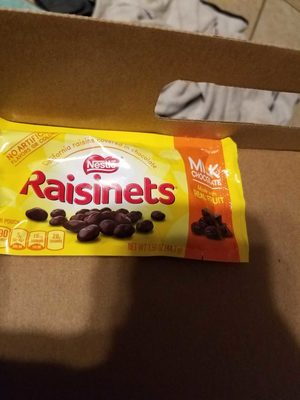
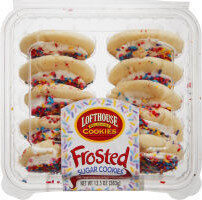
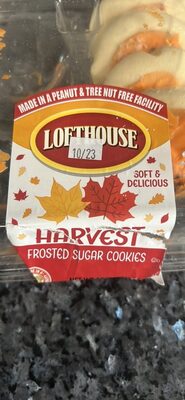
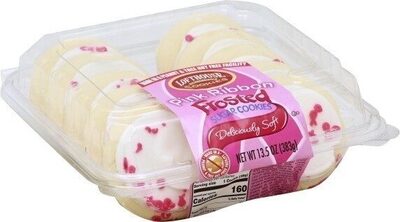
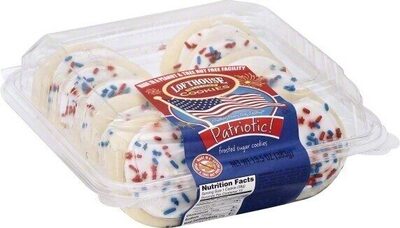
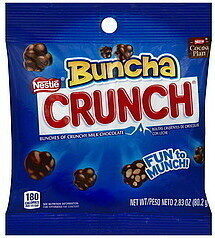
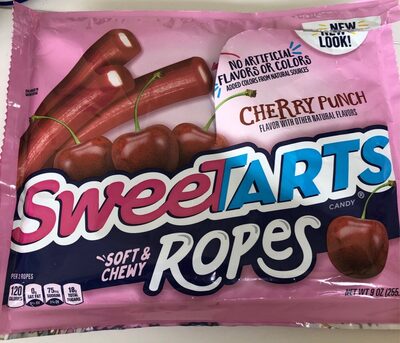
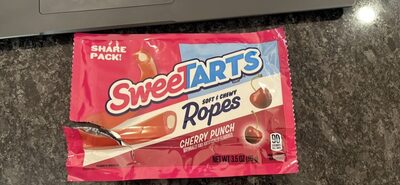
Manufacturers use lac-resin primarily as a food glaze or coating. It provides a protective barrier, adds shine, and helps prevent moisture loss in foods like candies, fruits, and baked goods. It is often found in chocolate coatings, chewing gum, and some baked items.
Health notes
In the U.S., lac-resin is generally recognized as safe (GRAS) by the FDA for use as a food additive. JECFA (the Joint FAO/WHO Expert Committee on Food Additives) has evaluated shellac and established an acceptable daily intake. Some individuals may have sensitivities, but it is not considered a common allergen. Evidence does not suggest adverse health effects at typical consumption levels.
Allergen info
Lac-resin is not derived from any of the nine FDA major allergens. It does not contain gluten.
Foods that contain Lac-resin
Compare products →











Auto-generated content. This description was generated automatically and is pending editorial review. Inaccuracies are possible. Found a mistake? Contact us.