Lard BHA Propyl Gallate With Citric Acid Added
What is Lard BHA Propyl Gallate With Citric Acid Added?
Lard is a rendered fat from pigs. It is often combined with antioxidants like BHA (Butylated Hydroxyanisole), propyl gallate, and citric acid to prevent it from spoiling. These additives help preserve the lard's quality by slowing down oxidation.
Is Lard BHA Propyl Gallate With Citric Acid Added vegan?
No. Lard BHA Propyl Gallate With Citric Acid Added is animal-derived, so it is not vegan.
Is Lard BHA Propyl Gallate With Citric Acid Added a major allergen?
Not a major allergen.
What is Lard BHA Propyl Gallate With Citric Acid Added used for?
Lard is commonly used in cooking and baking for its distinct flavor and ability to create flaky textures in pastries.
Is Lard BHA Propyl Gallate With Citric Acid Added safe?
Lard is a source of saturated fat; the Dietary Guidelines for Americans (2025-2030) recommend keeping saturated fat intake under 10% of daily calories.
Why it's used
Lard is commonly used in cooking and baking for its distinct flavor and ability to create flaky textures in pastries. The added antioxidants extend its shelf life, making it suitable for use in various processed foods, including pizza, baked goods, and fried items.
Health notes
Lard is a source of saturated fat; the Dietary Guidelines for Americans (2025-2030) recommend keeping saturated fat intake under 10% of daily calories. BHA and propyl gallate are FDA-approved antioxidants, and JECFA has evaluated both and set acceptable daily intakes. Citric acid is generally recognized as safe (GRAS) by the FDA, and JECFA has evaluated it and set an acceptable daily intake. The International Agency for Research on Cancer (IARC) classifies BHA as possibly carcinogenic to humans (Group 2B).
Allergen info
Not a major allergen.
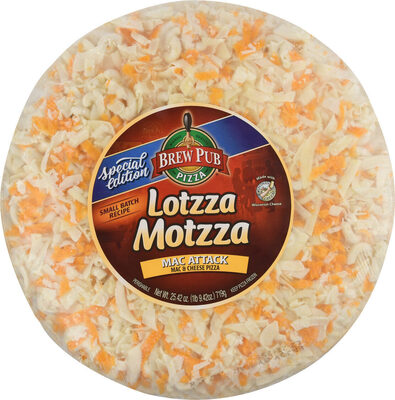
Foods that contain Lard BHA Propyl Gallate With Citric Acid Added
Compare products →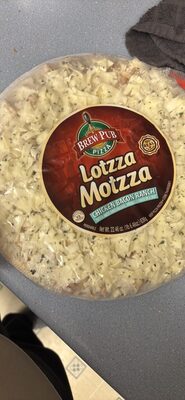
Learn more
Auto-generated content. This description was generated automatically and is pending editorial review. Inaccuracies are possible. Found a mistake? Contact us.