Lavash
What is Lavash?
Lavash is a soft, thin, rectangular flatbread originating from Armenia. It is traditionally baked in a tandoor, a type of clay oven, resulting in a slightly chewy texture and a bubbly surface. Modern production often uses conventional ovens.
Is Lavash vegan?
Lavash is not animal-derived. Products that contain it can still include other animal-derived ingredients, so check the full ingredient list.
Is Lavash gluten-free?
Gluten is present due to the wheat content.
Is Lavash a major allergen?
Lavash is typically made with wheat flour, which is one of the major allergens.
What is Lavash used for?
Lavash is used as a versatile bread for wraps, sandwiches, and as a base for appetizers like pinwheels.
Is Lavash safe?
Lavash is primarily a source of carbohydrates and contains some protein and fiber, depending on the specific ingredients used in its preparation.
Why it's used
Lavash is used as a versatile bread for wraps, sandwiches, and as a base for appetizers like pinwheels. Its pliable nature makes it ideal for rolling with various fillings, and its mild flavor complements a wide range of ingredients. Manufacturers use it in prepared meals and deli items.
Health notes
Lavash is primarily a source of carbohydrates and contains some protein and fiber, depending on the specific ingredients used in its preparation. It is not subject to FDA regulation as a food additive. There are no widespread health concerns associated with the consumption of lavash at typical dietary levels.
Allergen info
Lavash is typically made with wheat flour, which is one of the major allergens. It may also contain sesame seeds, another major allergen, depending on the specific recipe. Gluten is present due to the wheat content.
Foods that contain Lavash
Compare products →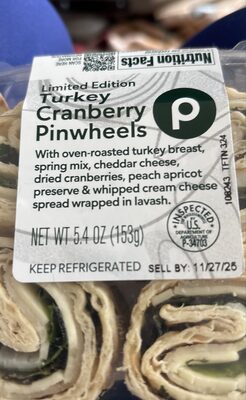
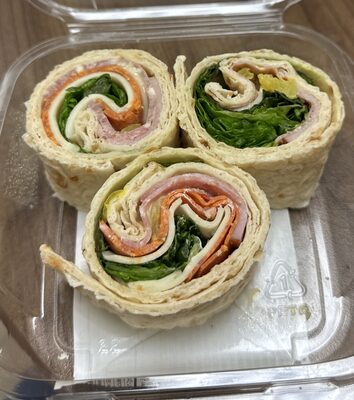
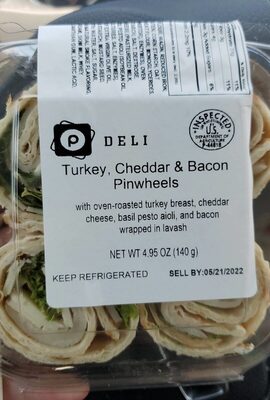
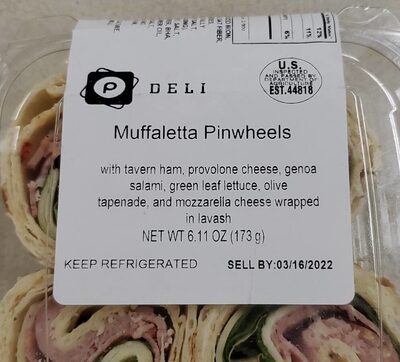
Learn more
Auto-generated content. This description was generated automatically and is pending editorial review. Inaccuracies are possible. Found a mistake? Contact us.