Leavenings
What is Leavenings?
Leavenings are substances that cause doughs and batters to rise, creating a lighter texture and increased volume. They work by producing gas, typically carbon dioxide, which expands when heated. Common leavenings include chemical leaveners like baking soda and baking powder, as well as biological leaveners like yeast.
Is Leavenings vegan?
Leavenings is not animal-derived. Products that contain it can still include other animal-derived ingredients, so check the full ingredient list.
Is Leavenings gluten-free?
However, some baking powders may contain wheat starch, which would make them a source of gluten.
Is Leavenings a major allergen?
Most common leavening agents are not derived from major allergens.
What is Leavenings used for?
Manufacturers add leavenings to baked goods to make them light and airy.
Is Leavenings safe?
Leavening agents are generally recognized as safe (GRAS) by the FDA for use in food.
Why it's used
Manufacturers add leavenings to baked goods to make them light and airy. They are essential in products like cakes, cookies, bread, and muffins. Chemical leaveners react quickly during baking, while yeast leaveners require time for fermentation.
Health notes
Leavening agents are generally recognized as safe (GRAS) by the FDA for use in food. Baking soda (sodium bicarbonate) and baking powder are common chemical leaveners; yeast is a biological leavener. At typical levels found in food, these ingredients do not pose health risks. International bodies like JECFA and EFSA have evaluated various leavening agents.
Allergen info
Most common leavening agents are not derived from major allergens. However, some baking powders may contain wheat starch, which would make them a source of gluten. Consumers should check product labels if gluten is a concern.
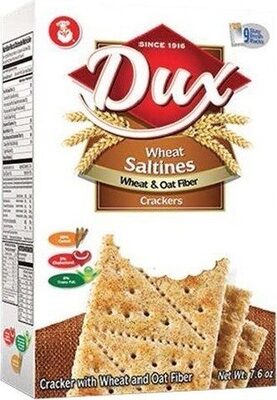
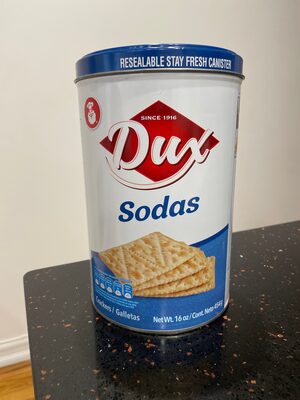
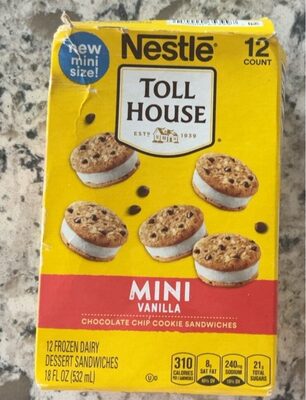
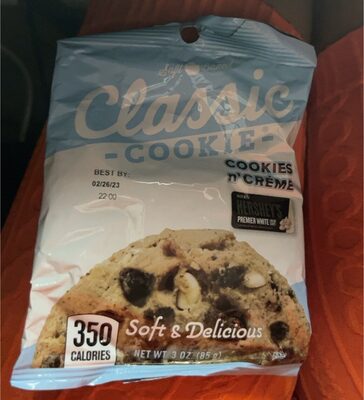
Foods that contain Leavenings
Compare products →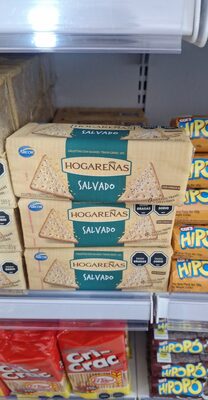



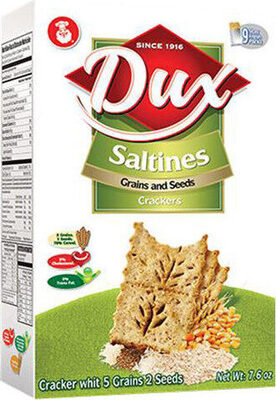








Auto-generated content. This description was generated automatically and is pending editorial review. Inaccuracies are possible. Found a mistake? Contact us.