Less Than 1% Dry Roasted Cashews
What is Less Than 1% Dry Roasted Cashews?
Cashews are kidney-shaped seeds that grow from the bottom of the cashew apple. They are typically dry roasted, a process that involves heating them in an oven without oil to enhance their flavor and crunchiness.
Is Less Than 1% Dry Roasted Cashews vegan?
Less Than 1% Dry Roasted Cashews is not animal-derived. Products that contain it can still include other animal-derived ingredients, so check the full ingredient list.
Is Less Than 1% Dry Roasted Cashews gluten-free?
They do not contain gluten.
Is Less Than 1% Dry Roasted Cashews a major allergen?
Cashews are tree nuts, which are one of the 9 major allergens recognized by the FDA.
What is Less Than 1% Dry Roasted Cashews used for?
Dry roasted cashews are often added to nut butters to provide texture and a nutty flavor.
Is Less Than 1% Dry Roasted Cashews safe?
Cashews are a source of healthy fats, protein, and minerals.
Why it's used
Dry roasted cashews are often added to nut butters to provide texture and a nutty flavor. They can also be found in snack mixes, trail mixes, and as a topping for various dishes.
Health notes
Cashews are a source of healthy fats, protein, and minerals. The FDA considers cashews to be Generally Recognized As Safe (GRAS) for consumption. While generally healthy, they are calorie-dense, so moderation is advised as part of a balanced diet. JECFA has evaluated cashews and found them safe for consumption.
Allergen info
Cashews are tree nuts, which are one of the 9 major allergens recognized by the FDA. They do not contain gluten.
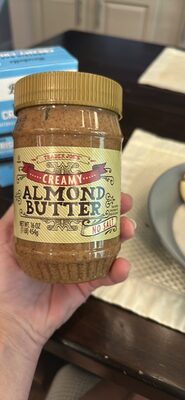
Foods that contain Less Than 1% Dry Roasted Cashews
Compare products →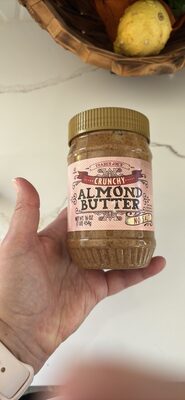
Learn more
Auto-generated content. This description was generated automatically and is pending editorial review. Inaccuracies are possible. Found a mistake? Contact us.