Less Than 1% - Pectin
What is Less Than 1% - Pectin?
Pectin is a natural carbohydrate found in the cell walls of fruits and vegetables, especially apples and citrus peels. It is typically extracted from fruit pomace (the leftover pulp after juice extraction) using hot water and acid, then purified and dried. The resulting powder is a key component in many food products.
Is Less Than 1% - Pectin vegan?
Less Than 1% - Pectin is not animal-derived. Products that contain it can still include other animal-derived ingredients, so check the full ingredient list.
Is Less Than 1% - Pectin gluten-free?
It does not contain gluten.
Is Less Than 1% - Pectin a major allergen?
Pectin is derived from fruits and is not one of the nine major food allergens.
What is Less Than 1% - Pectin used for?
Manufacturers add pectin primarily as a gelling agent, thickener, and stabilizer.
Is Less Than 1% - Pectin safe?
Pectin is generally recognized as safe (GRAS) by the FDA for use in food.
Why it's used
Manufacturers add pectin primarily as a gelling agent, thickener, and stabilizer. It is responsible for the texture of jams, jellies, and marmalades. Pectin is also used in yogurt, fruit fillings, candies, and some low-fat baked goods to improve mouthfeel and consistency.
Health notes
Pectin is generally recognized as safe (GRAS) by the FDA for use in food. It is a type of soluble fiber, which may help support digestive health. International bodies like JECFA and EFSA have evaluated pectin and found it safe for consumption. Research has explored its potential role in managing cholesterol and blood sugar levels, though more studies are needed to confirm these effects.
Allergen info
Pectin is derived from fruits and is not one of the nine major food allergens. It does not contain gluten.
Foods that contain Less Than 1% - Pectin
Compare products →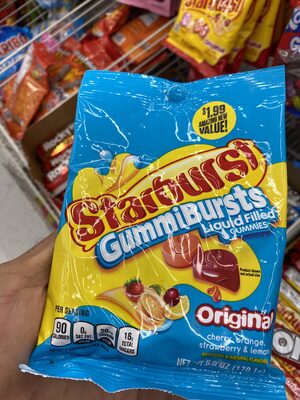
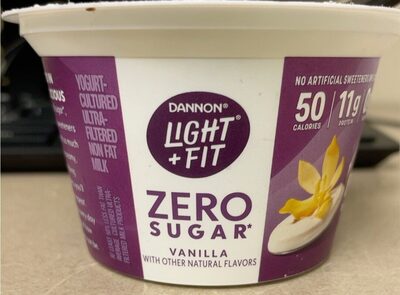
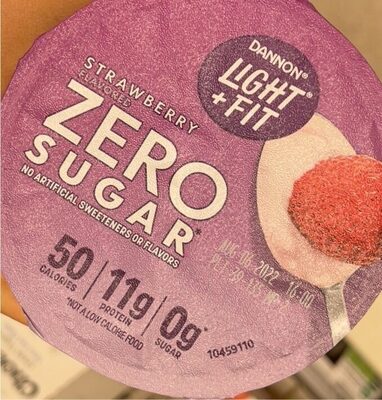
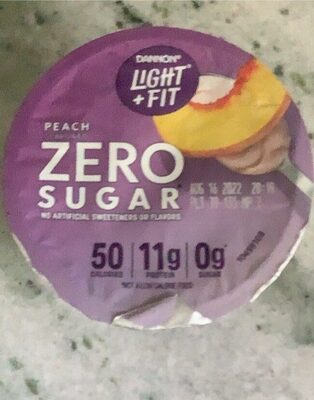
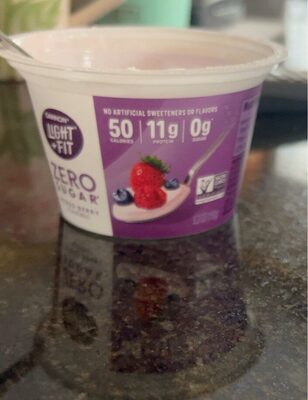
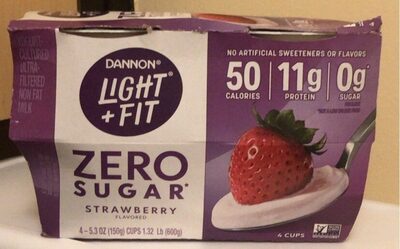
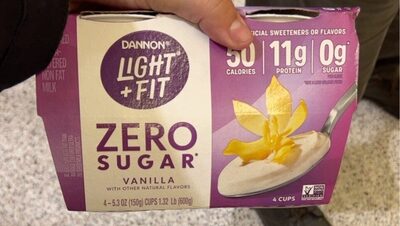
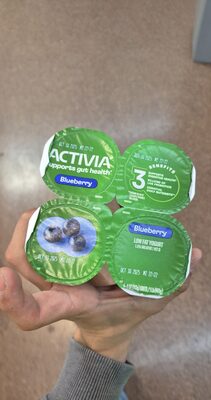
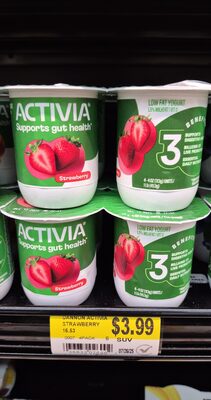
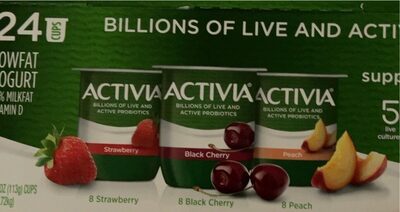
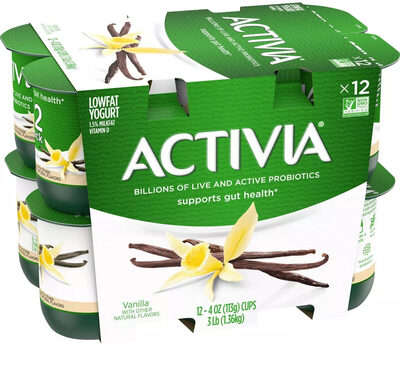
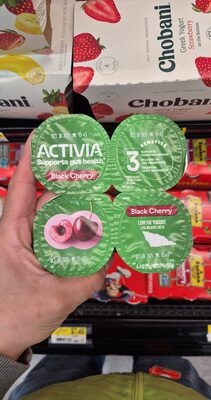
Learn more
Auto-generated content. This description was generated automatically and is pending editorial review. Inaccuracies are possible. Found a mistake? Contact us.